
Intro
Day hiking is one of the easiest and most rewarding ways to explore nature. Whether you’re planning a solo outing or a family adventure, starting with the right mindset and preparation can make all the difference. In this guide, you’ll find practical tips to help you plan your first hike with confidence.
1. Choose the Right Trail
Start with an easy or moderate trail—one that matches your current fitness level. Check online platforms like AllTrails or local park websites for trail reviews, distance, and elevation gain. Avoid trails with unclear markings or limited cell coverage for your first outing.
2. Check the Weather and Trail Conditions
Always check the forecast before you go. Weather can change quickly, especially in mountainous regions. Look for any trail alerts, closures, or wildlife warnings to avoid surprises.
3. Dress in Layers
Wear moisture-wicking base layers and bring a light insulating layer and a windproof or waterproof shell. Avoid cotton, which retains moisture and can lead to chills. Good socks and comfortable shoes with grip are essential.
4. Pack Smart
Your essentials should include:
- Water (at least 1 liter per hour of hiking)
- Snacks (trail mix, energy bars)
- First aid kit
- Navigation (map, phone with GPS)
- Sun protection (hat, sunscreen, sunglasses)
- Emergency whistle and headlamp
5. Hike Early and Tell Someone
Start your hike early to avoid crowds and afternoon heat. Always let someone know where you’re going and when you plan to return, especially if you’re hiking alone.
6. Follow Trail Etiquette
- Stay on marked trails
- Yield to uphill hikers
- Don’t disturb wildlife
- Pack out all trash
These small habits keep nature clean and enjoyable for everyone.
7. Know Your Limits
Listen to your body. If you feel tired or the trail becomes too challenging, turn back. Hiking is about enjoyment, not competition.
8. Keep Learning
Every hike is a chance to improve your skills. After your first hike, reflect on what went well and what could be improved—gear, pacing, or hydration. With each outing, you’ll gain more confidence and awareness.
Conclusion
Day hiking is an accessible gateway to the outdoors. With the right preparation and a few essential tips, your first hike can be a memorable and empowering experience. Lace up, breathe in the fresh air, and start discovering the trails near you.
Reading a Japanese trail before you set foot on it
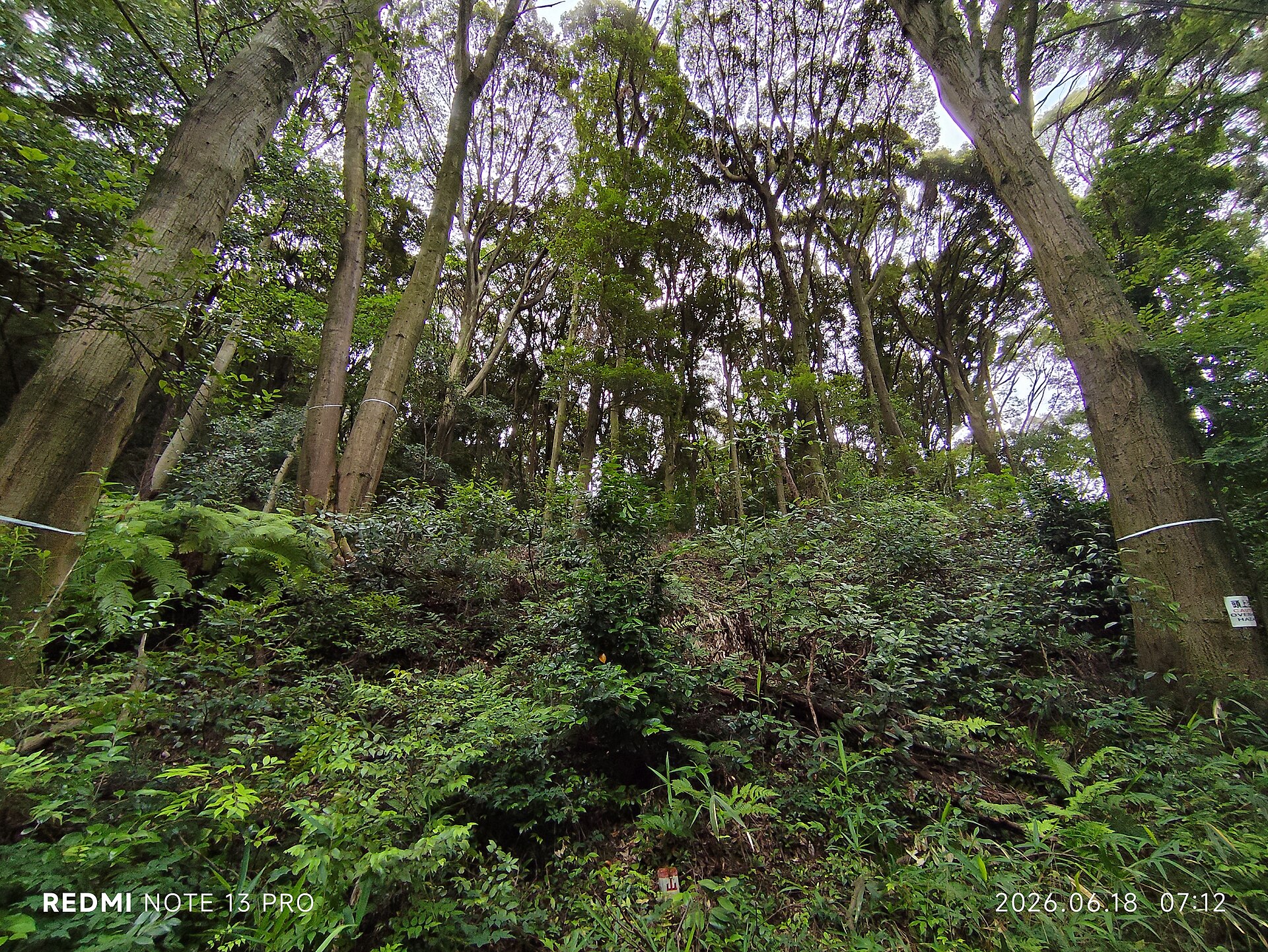
In Japan, most day hikes begin and end at a railway station or a bus stop rather than a car park, so the timetable is part of the route plan. Check the last bus down before anything else; on rural lines it can leave as early as four in the afternoon. Trails are marked with wooden signposts, coloured tape on trees and painted arrows on rock, and the signs are mostly in Japanese. A handful of kanji covers most of what a signpost will tell you:
- Yama (mountain) and sancho (summit)
- Noboriguchi (trail entrance) and gezan (descent)
- Toge (pass) and bunki (junction)
- Kiken (danger) and tsuko dome (trail closed)
Many trailheads have a box for a tozan todoke, a mountain climbing notification form. It is a sheet of paper on which you write your name, route, expected return time and a contact number; you drop it in the box and the police use it only if someone reports you missing. Fill it out even for a short walk, or submit it online through the Compass system used by the prefectural police.
Time your first outings around the calendar. The rainy season, tsuyu, runs from early June to mid July on Honshu and turns low trails into mud and leech habitat in places like the Tanzawa hills west of Tokyo. Late summer brings humidity that makes a 500-metre climb feel like a thousand, plus typhoons that can close trails at a day’s notice. The most comfortable months for a beginner on the main island are late April to May and October to early November.
Small habits that Japanese hikers take for granted
A bear bell is the most visible piece of Japanese hiking culture. Asiatic black bears live across Honshu and brown bears on Hokkaido, and a bell clipped to your pack simply lets them hear you coming so they can leave. It reduces surprise encounters, which is where most bear injuries happen. Pair it with a whistle and, in Hokkaido or the beech forests of Tohoku, a canister of bear spray if you can rent one locally.
Convenience stores are your resupply. A 7-Eleven, Lawson or FamilyMart near the station sells onigiri rice balls, bananas, salted plum sweets and two-litre bottles of water, and most are open before the first train. An onigiri keeps for a day and delivers salt and carbohydrate in a package that survives a backpack. Carry your rubbish home, because there are no bins on Japanese trails and often none at the trailhead either.
Finally, greet people. Konnichiwa is the standard exchange when two hikers pass, and on a busy Saturday on Mount Takao you will say it fifty times. It is also a safety habit: the person who nodded to you at the junction is the person who will remember seeing you if you do not come down. Mountain huts on the more serious routes serve hot meals and beds, but the ideal finish to a beginner’s day is simpler: an onsen near the station, a bowl of noodles and a train home before dark.