
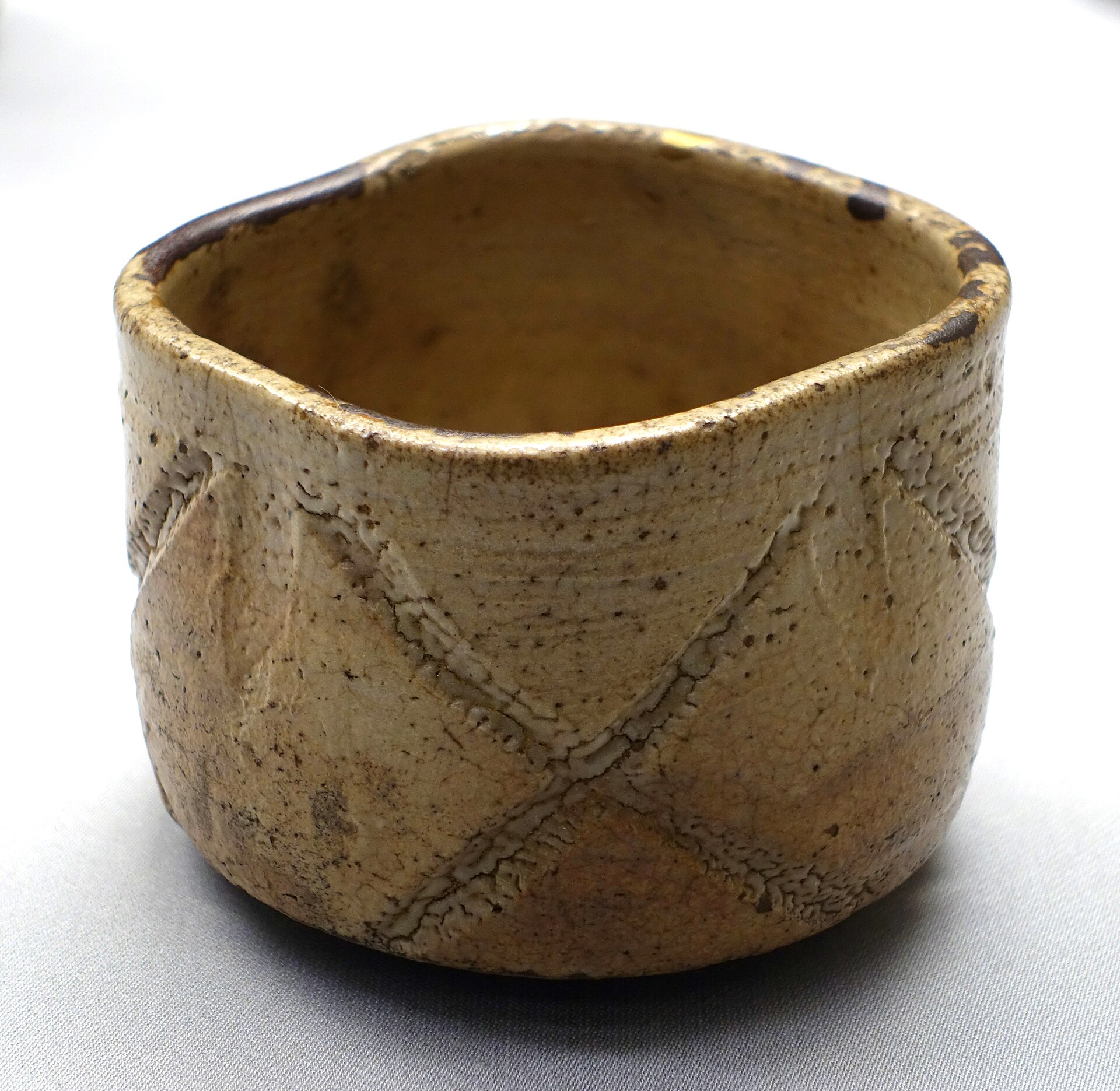
Unveiling the Spirit of the Tea Ceremony
In a world that moves at breakneck speed, the Japanese tea ceremony offers a tranquil counterbalance — a sacred space where time slows, gestures matter, and silence speaks. Known as chanoyu, this centuries-old ritual is not merely about drinking tea, but about cultivating harmony, respect, and mindfulness.
Rooted in Zen philosophy, the tea ceremony is a powerful practice that imparts two timeless virtues: patience and precision. These are not just ceremonial values, but guiding principles that shape character and daily life in Japan.
Learning Through Stillness: The Power of Patience
One of the first lessons a tea student learns is to embrace stillness. Every movement—from folding the fukusa cloth to serving wagashi sweets—is deliberate and slow. There is no rush, no multitasking. This fosters a mindset where patience isn’t passive, but rather an active form of awareness.
In the words of tea master Sen no Rikyū, “Though many people drink tea, if you do not know the Way of Tea, tea will drink you.” This poetic reminder underlines that true mastery lies in humility and discipline—qualities that only grow with time.
Daily Life Reflections
Many practitioners report how this meditative slowness seeps into everyday life. Tasks like cooking, writing, or even waiting in line become opportunities to practice presence. In a culture where emotional restraint and social harmony are prized, patience becomes not just a virtue, but a social grace.
Precision in Practice: Every Gesture Has Meaning
From the placement of utensils to the angle of the bow, the tea ceremony is a choreography of intention. Every step is taught, rehearsed, and refined. This focus on exactitude trains the mind to be attentive and respectful — not just toward objects, but toward people and space.
Training the Mind Through Repetition
In Japanese tea schools, students may spend years mastering a single movement. This repetition is not monotonous, but liberating. It frees the mind from distraction and sharpens it like a blade. The ceremony becomes a form of moving meditation, where precision nurtures clarity.
Interviews with Modern Practitioners
We spoke with Aya Tanaka, a 34-year-old Tokyo-based tea practitioner, who describes her journey as “a silent rebellion against chaos.” For Aya, practicing tea has helped her manage anxiety and build confidence in her daily interactions. “When I prepare tea,” she says, “I prepare myself. I become calm, focused, and open.”
Similarly, Hiroshi Yamamoto, a retired engineer turned tea teacher, emphasizes the relevance of the practice in a digital world. “In tea,” he explains, “you learn that what seems small is often the most meaningful. A bow, a breath, a shared silence—these are things that connect us.”
Why It Still Matters in Modern Japan
Despite the rapid modernization of Japanese society, the tea ceremony continues to thrive, especially among young urban professionals seeking balance. Cultural institutions and universities are also playing a role in preserving and transmitting its values. According to a recent feature by National Geographic, there’s a growing resurgence of interest in traditional arts as a form of self-care and cultural reconnection.
Lasting Benefits Beyond the Tatami Room
- Improved concentration through mindful repetition
- Emotional regulation by embracing slowness
- Social harmony built on respect and awareness of others
These lessons are not confined to ceremonies. They echo in boardrooms, classrooms, and homes across Japan, influencing how people interact, solve problems, and carry themselves.
How lessons are actually structured
The patience described above is built into the way tea is taught. Nearly all teachers belong to one of the three Sen schools, Urasenke, Omotesenke and Mushakojisenke, whose head houses stand a few streets apart in the Kamigyo ward of Kyoto. A beginner does not touch a whisk for weeks. The first lessons cover walking on tatami without stepping on the borders, the three depths of bow, folding the fukusa silk cloth, and carrying utensils in and out of the room. Only then comes the first temae, the basic sequence for thin tea, and most students spend a year on it before moving to thick tea and the seasonal variations for the sunken hearth used from November to April.
Costs are modest by the standards of Japanese hobbies. Monthly fees for two to four lessons commonly fall between 5,000 and 15,000 yen, plus a few hundred yen per lesson for the sweets and tea consumed. A starter kit of fukusa, kaishi paper, a small fan, a kobukusa cloth and a sweet pick costs 3,000 to 8,000 yen. Progress is marked by licences issued through the school’s head house rather than by exams, so there is nothing to fail: you simply continue.
Visitors who cannot commit to weekly lessons can still see the method. Urasenke’s Chado Research Center Gallery in Kyoto holds exhibitions and serves matcha, and many teachers in Kyoto, Nara and Kanazawa offer single introductory sessions of sixty to ninety minutes for 3,000 to 6,000 yen.
Practising precision at home and on the trail
You do not need a tea room to train the same attention. Choose one everyday sequence and perform it the tea way: the same order every time, both hands where possible, and each object set down before the next is picked up. Making thin tea at a kitchen table becomes a practice if you warm the bowl, wipe it, measure two scoops with a bamboo chashaku, pour about 70 millilitres of water at 75 to 80 degrees and whisk in a steady W motion for fifteen seconds without adjusting anything halfway.
Walkers find the transfer surprisingly direct. On the Kumano Kodo or the Choishi-michi pilgrim path up to Koyasan, an even pace held for the whole climb rather than bursts and stops is the same discipline as an unhurried temae. Long-distance hikers already know that precision with small things, a properly laced boot or a stove lit the same way each evening, is what keeps a day safe. Tea simply gives that habit a name and a room to practise it in.
Conclusion: A Ritual for the Soul
The Japanese tea ceremony is more than a cultural tradition—it’s a spiritual and psychological practice that fosters inner peace and social mindfulness. In learning patience and precision, we don’t just master a ritual; we rediscover ourselves in every motion, every pause, every shared sip of tea.