
When it comes to hiking gear, especially jackets, one question keeps popping up: Should I choose waterproof or breathable clothing? The answer depends on your environment, intensity level, and comfort preferences. This guide will break down the difference and help you choose the right gear for your next hike.
1. What Does “Waterproof” Mean?
A waterproof garment is designed to prevent water from penetrating the fabric—even during heavy rain.
Waterproof gear typically includes:
- Taped seams
- Durable Water Repellent (DWR) coating
- High Hydrostatic Head rating (above 10,000 mm)
Learn about Hydrostatic Head ratings – Alpkit
Great for:
- Stormy conditions
- High-altitude hikes
- Wet, cold climates
But: It can trap sweat and body heat, leading to discomfort if you’re moving fast or it’s humid.
2. What Does “Breathable” Mean?
Breathable fabrics allow moisture vapor (like sweat) to escape through the material while blocking water droplets.
These often use membranes like:
- GORE-TEX®
- eVent®
- Pertex® Shield
They’re ideal for:
- High-output activities
- Mild weather
- Short rain spells
REI comparison on waterproof-breathable jackets
3. What’s the Catch? You Rarely Get Both Perfectly
Even high-end gear has trade-offs. The more waterproof, the less breathable—and vice versa. That’s why some hikers carry:
- Fully waterproof hardshell for storms
- Lightweight breathable jacket or windbreaker for light rain and fast movement
4. Think in Terms of Layers
Instead of relying on one “perfect” jacket, consider layering:
| Layer Type | Purpose | Example Gear |
|---|---|---|
| Base layer | Wicks moisture | Merino wool or synthetic shirt |
| Mid layer | Insulation | Fleece or puffy jacket |
| Outer shell | Protection (wind/rain) | GORE-TEX rain jacket or softshell |
5. Real-World Recommendations
| Conditions | Best Gear Type |
|---|---|
| Short hike, light drizzle | Breathable softshell jacket |
| Multi-hour hike, uncertain weather | Lightweight hardshell (10k+ mm) |
| Stormy, alpine hike | Heavy-duty waterproof hardshell |
| Hot & humid, risk of sweat | Packable windbreaker + umbrella |
Brands to consider:
- Budget: Frogg Toggs, Columbia
- Performance: Outdoor Research, Arc’teryx, Montbell
Conclusion
Choosing between waterproof and breathable gear isn’t about picking a side—it’s about matching your gear to the hike. Understand your trail, climate, and intensity level, and you’ll stay dry and comfortable. Smart layering and the right materials make all the difference.
Why breathability collapses in a Japanese summer
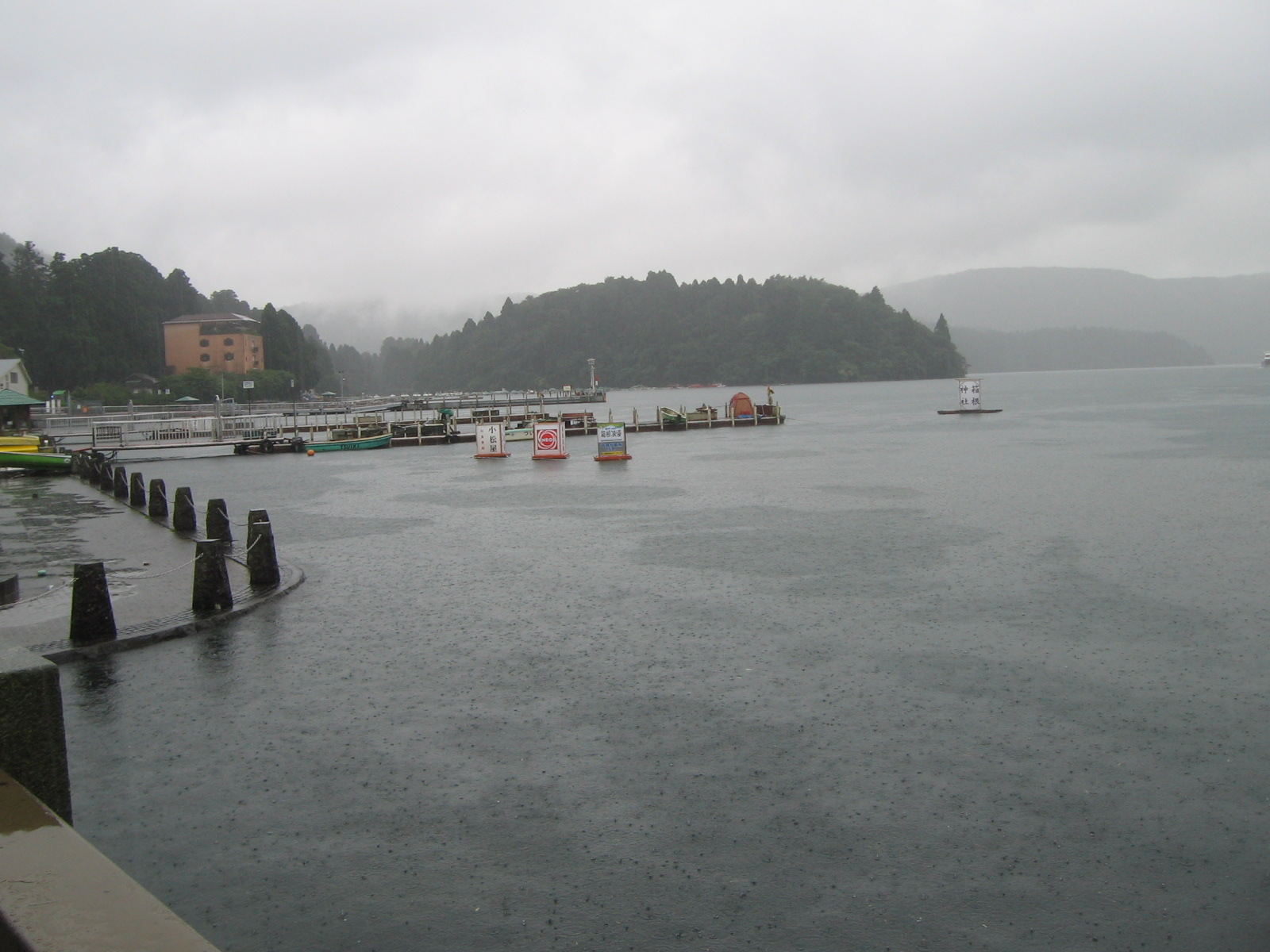
Membranes like Gore-Tex move water vapour from the warm, humid air inside your jacket to the cooler, drier air outside. That gradient is the engine. In a Japanese forest in July, with the air near 30 degrees and relative humidity above 85 percent, there is almost no gradient: the outside air is as saturated as the inside. The most expensive shell on the market will feel like a plastic bag in the cedar forests of the Kumano Kodo, because the physics has nothing to work with.
The practical answers are mechanical, not chemical. Choose a jacket with pit zips and a two-way front zip so you can dump heat while keeping rain off your shoulders. Wear the shell only when it is raining hard, and accept damp base layers as the price of moving. Many Japanese hikers walk the wooded sections under a folding umbrella in a breathable wind shirt and put the hardshell on only above the treeline or when the wind picks up.
Rain trousers deserve a mention because Western hikers so often leave them at home. On Japanese trails, wet undergrowth, bamboo grass and mud slick the lower leg all day, and cotton or thin synthetic trousers stay soaked. Light rain trousers with long side zips, of the kind Montbell sells for well under the price of a jacket, pull on over boots in a minute.
Keeping the membrane working, and knowing when to stay home
A waterproof-breathable jacket stops working long before it stops being waterproof. When the DWR finish wears off, the face fabric soaks up water, a process called wetting out, and the membrane underneath can no longer breathe; you feel wet from the inside and assume the jacket leaks. The fix is a wash in a technical detergent, a tumble dry on low heat to reactivate the coating, and a reproofing spray or wash-in such as Nikwax or Grangers once or twice a season. Japanese mountain huts often have a drying room; use it, because a jacket packed away wet goes mouldy within days in this climate.
A hydrostatic head above 10,000 millimetres and taped seams will handle any Japanese rain that is safe to walk in. What no jacket can handle is a typhoon. From August to October the Japan Meteorological Agency issues warnings days in advance, trails and mountain huts close, trains stop, and rivers on the Kii Peninsula and in Shikoku rise several metres in hours. If a typhoon is forecast within 24 hours of your hike, the correct gear decision is a rest day in town with a pot of tea.
Between those extremes, plan for three states rather than two:
- Dry: a wind shirt over your base layer, hardshell in the pack
- Drizzle: the umbrella on sheltered paths, or the wind shirt with the hood up
- Downpour: hardshell with the vents open, rain trousers on, pack cover fitted
Most days in the Japanese hills will cycle through all three before lunch, and the comfortable hikers are the ones who change state early.