
Japan stretches 3,000 kilometres from the drift ice of Hokkaido to the coral of Okinawa, and its hiking year is shaped by a rainy season that arrives from the south, the typhoons that follow it, deep snow in the north, and two national holidays that empty the cities onto the trails. There is no single best month, only a best month for each region, and the trick is to read the calendar the way Japanese hikers do: around tsuyu, the typhoons, Golden Week and Obon.
Hokkaido and Tohoku: the short northern summer
Hokkaido
Hokkaido largely escapes the rainy season, which is why walkers head north in June and July while Honshu drips. The alpine trails of Daisetsuzan, the volcanic cone of Rishiri and the coastal paths of Shiretoko are snow-free from early July to mid September, with alpine flowers in July and the first autumn colour on the high plateau by mid September. Snow follows quickly, often before the month is out, and the season is over by mid October. Brown bears are active throughout; carry a bell.
Tohoku
Snow lingers on the Tohoku ranges into June. The beech forests of Shirakami-Sanchi, the Hachimantai plateau and the peaks of Zao are at their best from July to early October, and the sacred mountain Gassan in the Dewa Sanzan opens to pilgrims only from July to mid September. Autumn arrives early: the higher trails turn from late September and the valleys follow through October, well before Tokyo has seen a coloured leaf.
The Japan Alps: a window from July to early October
The Northern, Central and Southern Alps are the country’s great summer mountains, and the season is defined by the huts. Most open around Golden Week and close in early November, but the high traverses between them are only reliably snow-free from mid July to early October. Kamikochi, the classic entry to the Northern Alps, is closed to all traffic from mid November to mid April.
Within that window, the fortnight after the rainy season ends in late July offers the most settled weather, though thunderstorms build most afternoons and the rule is to be off the ridges by early afternoon. Mount Fuji has its own official season from early July to around 10 September, when the huts and buses run; outside it the mountain is closed. Autumn colour reaches the high Alps in early October, and the larches around Kamikochi turn gold in the second half of the month. The period to avoid is Obon in mid August, when the huts are packed and the popular routes queue at the chains.
Kanto lowlands: hike in winter, not summer
The hills within reach of Tokyo, from Mount Takao and the Okutama valleys to the Tanzawa range and Chichibu, are best walked in the opposite season from the Alps. From late October to April the Pacific side of Honshu is dry, clear and often sunny, with cold mornings and views of Mount Fuji that vanish behind haze for the rest of the year.
Plum blossom opens in February, the cherry front reaches Tokyo in the last week of March, and the maples on Takao peak in the second half of November, the mountain’s most crowded fortnight. Summer is the season to stay away: the rainy season runs from early June to mid July, the Tanzawa forests fill with leeches, and August temperatures around 35 degrees make even short climbs a health risk. If you must, start before six and be down by noon.
Kansai temple paths: spring blossom and late-autumn maples
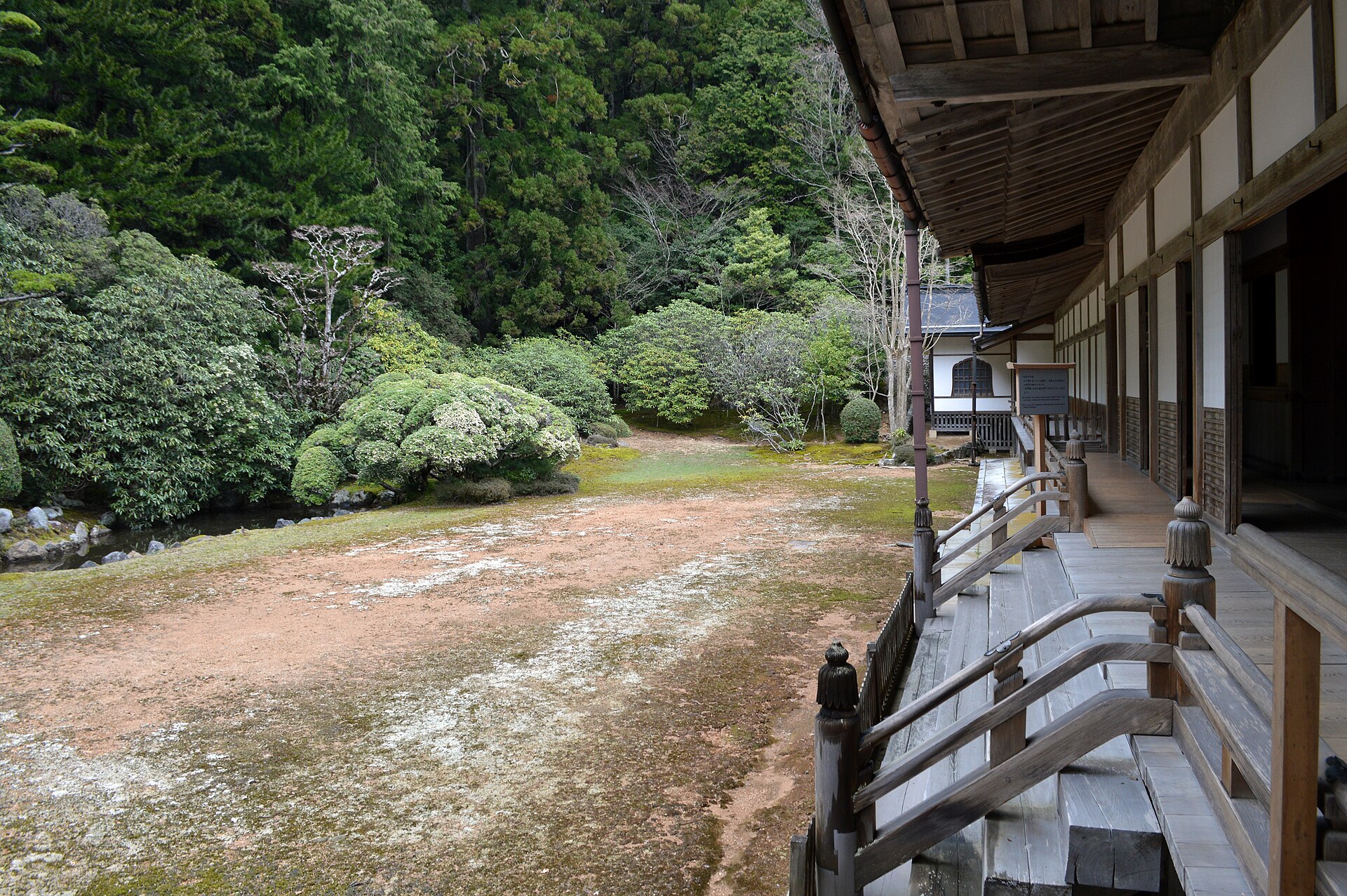
The old pilgrim roads of the Kii Peninsula and the temple hills around Kyoto and Nara follow the same rhythm as Kanto, a week or two warmer. The Kumano Kodo, the Choishi-michi stone-marker path up to Koyasan and the Yamanobe-no-michi through the Nara countryside are ideal from mid March to May and from mid October to early December. Yoshino, south of Nara, has one of the country’s most famous cherry displays in early to mid April.
The Kyoto maples are the great late event of the year. The temples of Higashiyama and Arashiyama peak from mid November into early December, when the trails on Mount Hiei and Mount Daimonji offer the same colour with a fraction of the crowds. In between, the rainy season is heavy in June, Kyoto summer is famously airless, and the Kii Peninsula takes the full force of the typhoons between late August and early October.
Kyushu and Okinawa: heading south for the winter
Kyushu
Kyushu’s volcanoes, Aso, Kirishima and the Kuju range, are walkable almost year round, with a brief snowy interlude on the higher summits in January and February. The highlight is late May to early June, when pink Miyama-kirishima azaleas cover the slopes of Kuju just before the rainy season arrives. Yakushima, off the southern tip, is one of the wettest places in Japan: the rainy season and the late-summer typhoons bring downpours that close trails, so aim for March to early May or October to November to walk among the ancient cedars.
Okinawa
Okinawa reverses the calendar. The rainy season runs from early May to late June, typhoons threaten from July to October, and summer humidity makes forest walking unpleasant. From December to February, daytime temperatures sit around 18 to 20 degrees, and the subtropical forest of Yanbaru in the north of the main island and the jungle trails of Iriomote are at their best. Watch for habu vipers and stick to marked routes.
The calendar traps: rainy season, typhoons and the holiday crowds
Three things decide more trips than the forecast does. The first is tsuyu, the rainy season, which moves north from Okinawa in early May to Kanto by early June and ends around mid July. The second is typhoon season, which peaks in August and September and can shut down trains, buses and mountain huts for a day or two anywhere south of Hokkaido. Check the Japan Meteorological Agency forecast a week ahead and build a spare day into any autumn itinerary.
The third is the holidays. Golden Week, from 29 April to 5 May, and Obon in mid August fill every hut, minshuku and trailhead car park in the country, and the November colour weekends come close. If you can choose, the quiet sweet spots are the fortnight after Golden Week, the second half of September and the first half of December, when the crowds have gone and the light is clearest.