
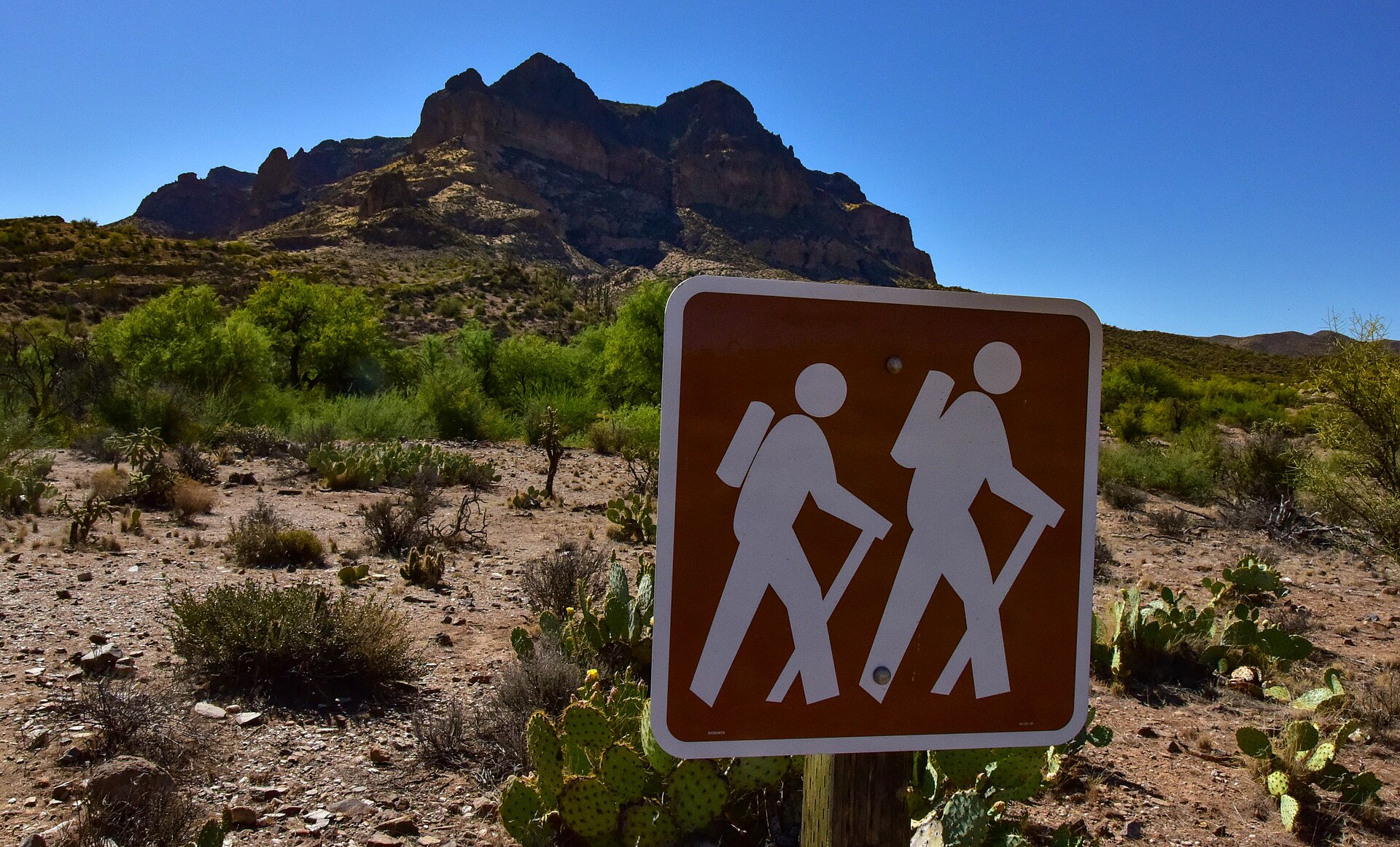
Hiking is one of the best ways to enjoy the outdoors—but even short hikes can turn risky without proper preparation. Whether you’re on a forest trail or in the backcountry, these 10 safety tips will help you stay smart and secure on every hike.
1. Plan Your Route in Advance
Don’t just follow the crowd—know your trail. Use trusted sources like AllTrails, Gaia GPS, or the National Park Service to check trail length, elevation, and recent reviews.
2. Check the Weather Forecast
Sudden storms, high winds, or extreme heat can ruin a hike—or worse. Always check the forecast and look for alerts before you leave.
3. Tell Someone Your Plans
Always share your destination, expected return time, and who you’re hiking with. For solo hikes, this is even more critical. Use apps like Life360 or leave a written note at home.
4. Bring the “Ten Essentials”
According to REI, every hiker should carry:
- Navigation (map/compass or GPS)
- Headlamp
- Sun protection
- First aid
- Knife/multitool
- Fire starter
- Shelter (emergency blanket/tarp)
- Extra food
- Extra water
- Extra clothes
5. Stay on Marked Trails
Wandering off-trail increases your risk of injury and getting lost. Stick to marked paths and obey signs. This also protects fragile ecosystems.
6. Know Your Limits
Choose trails that match your current fitness and experience. Don’t push through injury or fatigue—turning back is always okay.
7. Be Aware of Wildlife
- Make noise in bear country
- Don’t feed or approach animals
- Store food properly if camping
For wildlife safety tips, visit Leave No Trace.
8. Avoid Hiking After Dark
Unless you’re prepared with headlamps and nighttime navigation gear, avoid trails late in the day. If you get caught out, stay calm and use your light source safely.
9. Carry Emergency Contacts & ID
Bring a copy of your ID and any critical medical info. Emergency contact cards or wristbands are a great idea for longer hikes.
10. Trust Your Instincts
If something feels off—a trail looks wrong, weather shifts fast, or your gut says turn back—listen. Good judgment is your best survival tool.
Conclusion
A little preparation goes a long way. With these hiking safety tips, you’ll be ready to enjoy the outdoors with peace of mind. Respect the trail, respect your limits, and you’ll return with great memories—and zero regrets.
Adapting the ten essentials to Japanese mountains
The ten essentials were written for North American wilderness, and in Japan a few of them change shape. Navigation means a downloaded Yamap or Yamareco map plus the paper sheet, because trails are dense with junctions and the signs are in Japanese. Shelter becomes a light emergency bivvy rather than a tarp, since most day hikers are within reach of a mountain hut and the goal is to survive one unplanned night. Extra clothes should include a real rain jacket even in August; afternoon storms in the Alps are cold and sudden.
Two items move up the list. A bear bell is standard in Hokkaido, where brown bears roam, and across the Japanese Alps and Tohoku, where black bears are common; hang it from your pack and let it ring. Cash is the other: mountain huts, some cable cars and rural buses rarely accept cards, and a hut that charges for water or an emergency bed will not take a QR code above the tree line.
Resupply is easier than in most countries. Convenience stores sit near almost every trailhead station, selling rice balls, sports drinks, batteries and even cheap rain ponchos. Buy your food and water there rather than carrying it from the city, and remember that the store is also where you drop your rubbish after the hike.
Paperwork, seasons and the local rescue system
Japanese hikers file a mountain climbing registration form, called a tozan todoke, with the prefectural police before any serious climb. It records your route, party, gear and return time, and it is what search teams use to decide where to look. Nagano, Gifu, Gunma and other mountain prefectures require it by ordinance for their alpine peaks; elsewhere it is voluntary but expected. Submit it online through Yamap or the Compass system, or drop the paper form in the box at the trailhead.
Seasons matter more than the calendar suggests. Typhoon season, from roughly August through October, brings landslides, closed trails and rivers that rise in minutes, so check the Japan Meteorological Agency forecast the evening before and again in the morning. Old snow lingers on north faces above 2,500 metres into July, and fresh snow can return in October. Mountain huts generally open from late April to early November; outside those dates a route that looks easy on the map has no shelter at all.
If something goes wrong, dial 110 for the police, who coordinate mountain rescue, or 119 for fire and ambulance. Helicopter rescue can be billed in some prefectures and a ground search is never free, so many Japanese hikers buy inexpensive annual mountain rescue insurance; short-term policies exist for visitors.
- 110: police, including mountain rescue coordination.
- 119: fire and ambulance.
- Tozan todoke filed before you start, on paper or online.
- A hut, a cable car or a bus is always an honourable way down when in doubt.