
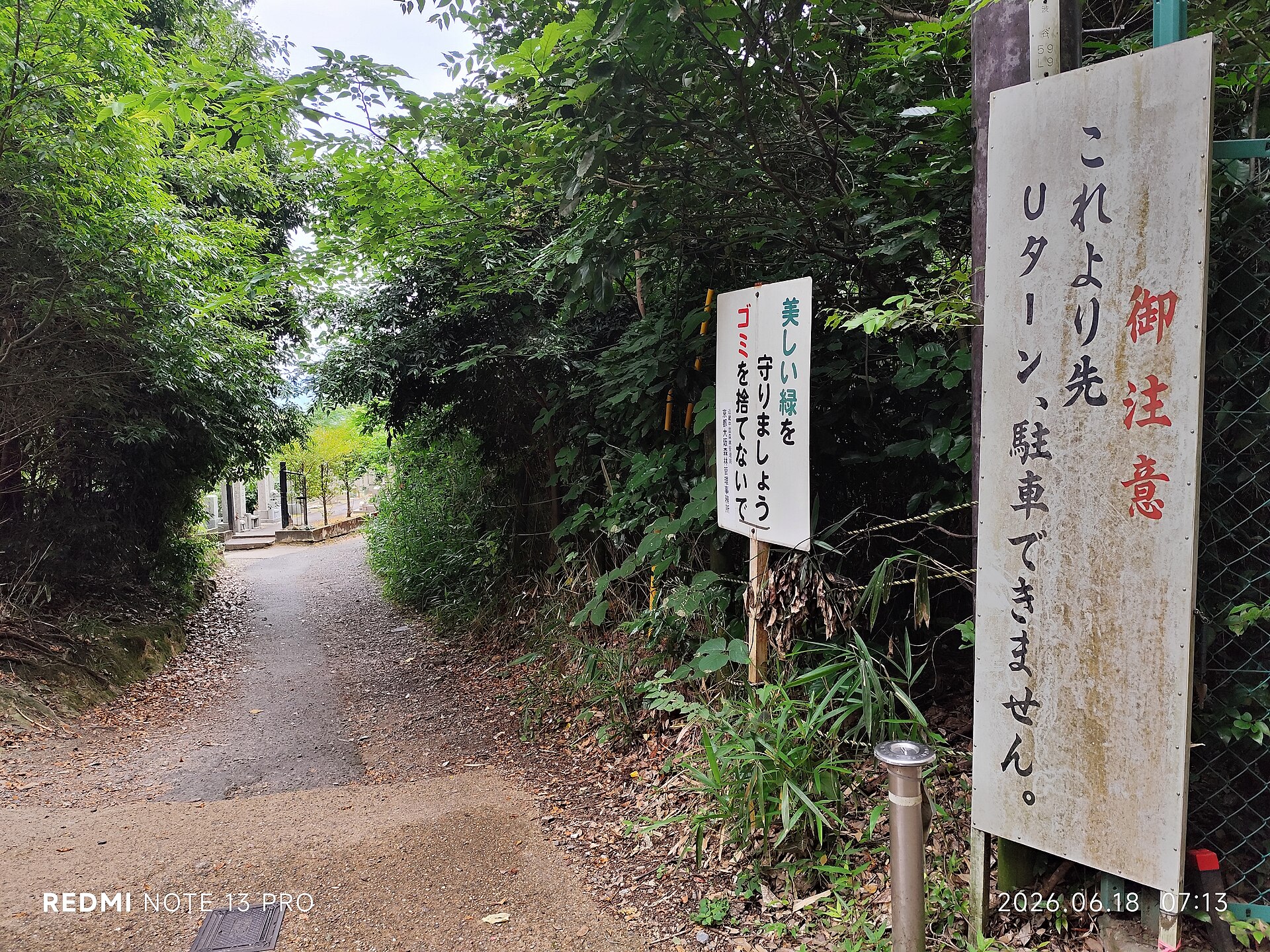
Hiking isn’t just about reaching the summit—it’s about sharing the trail with others and leaving nature as you found it. Practicing good trail etiquette helps preserve the environment and ensures everyone enjoys the outdoors. Here are the key rules every hiker should follow.
1. Yield to Others (Know Who Has the Right of Way)
- Uphill hikers always have the right of way
- Step to the downhill side to let others pass
- Mountain bikers yield to hikers, but stay alert and be prepared to move
- Horses have priority over both hikers and bikers
Learn more from American Hiking Society’s etiquette guide
2. Stay on the Trail
Avoid shortcuts or walking off-trail. It may seem harmless, but it causes erosion and damages fragile plants. Stick to marked paths—even in muddy or wet areas.
3. Keep Noise to a Minimum
Nature is meant to be peaceful. Avoid loud music or shouting. If you want to listen to music, use headphones (but stay alert to surroundings).
4. Pack Out What You Pack In
Follow the Leave No Trace principles and take all trash, food wrappers, and tissues with you. Even biodegradable items like fruit peels can harm local wildlife.
5. Don’t Block the Trail
If you need to stop for a break or take photos, step aside. Let faster hikers pass and avoid creating bottlenecks, especially on narrow sections.
6. Respect Wildlife
- Observe animals from a distance
- Don’t feed them
- Store food securely and clean up all crumbs or leftovers
Feeding wildlife disrupts their natural behavior and can lead to dangerous encounters.
7. Control Your Dog
If dogs are allowed:
- Keep them leashed unless otherwise posted
- Pick up and pack out pet waste
- Keep them close to avoid disturbing wildlife or other hikers
Pet policies by national park – NPS
8. Greet Fellow Hikers
A simple “hello” or nod goes a long way in creating a friendly trail atmosphere. Acknowledge others, especially when passing or yielding.
9. Limit Group Size on Narrow Trails
Large groups should split into smaller ones if trails are narrow or crowded. Let solo hikers or smaller groups pass easily.
10. Be Kind, Patient, and Aware
Everyone’s on their own journey—some for exercise, others for peace. Be courteous, patient, and stay aware of how your presence affects others.
Conclusion
Good trail etiquette is about respect—respect for others, nature, and the hiking experience. These small actions make a big difference and ensure that everyone can enjoy the trail today and tomorrow.
Trail manners in Japan: greetings, bells and mountain huts
On Japanese trails the greeting rule is stronger than almost anywhere else. A short konnichiwa is exchanged with nearly everyone you pass, and on a busy weekend near Tokyo you may say it two hundred times before lunch. It is more than politeness: a quick word confirms that the other person is alert and well, and on a narrow ridge it settles who is stepping aside. Ascending hikers keep priority here too, but the custom is for the person on the safer, inner side of the path to hold still while the other passes on the outside.
In Hokkaido and across the Japanese Alps, most hikers hang a small bear bell from their pack. Brown bears in Hokkaido and Asiatic black bears on Honshu tend to move away when they hear people coming, so the constant chime is considered courteous rather than noisy. Take it off inside a hut and near temple halls, where silence is the rule again. A bell is accepted; a speaker playing music for the same purpose is not.
Mountain huts, or yamagoya, have their own code. Boots come off at the door and go on the rack, wet gear stays in the entrance, and lights go out around eight or nine because most guests leave before dawn. Book ahead in July and August, pay in cash, and pack out everything you brought in: huts carry their rubbish down by helicopter or on their own backs, so bins are rare. Where a hut sells a carry-out toilet kit, buy one for long ridges without facilities.
Temple paths, shared trails and a light footprint
Many of the walks in this magazine pass through temple or shrine grounds before they reach the forest. Bow once at the gate, walk to the side of the central path rather than down the middle, and keep your voice low near the halls. Moss gardens and old stone steps are fragile: stay off the moss, do not lean on lanterns for a photo, and leave the sacred rope and paper streamers alone. Where a small entry fee is posted, it maintains the path you are about to enjoy.
Rubbish bins disappeared from most Japanese public spaces years ago, and trails are no exception. Carry a small bag for wrappers and drop it in the bin at the convenience store where you buy your post-hike drink. Local hikers also step through muddy sections rather than around them, so the path does not widen.
- Greet with a short konnichiwa and keep to the mountain side when passing on exposed ground.
- Ring a bear bell in Hokkaido and the Alps; silence it in huts and on temple grounds.
- Boots off, quiet after lights-out and cash in hand at mountain huts.
- Carry every wrapper out; the first convenience store is your bin.
None of this is posted at the trailhead, which is exactly why it is worth knowing before you go. Follow the quiet lead of the hikers around you and the trail will feel welcoming rather than foreign.