
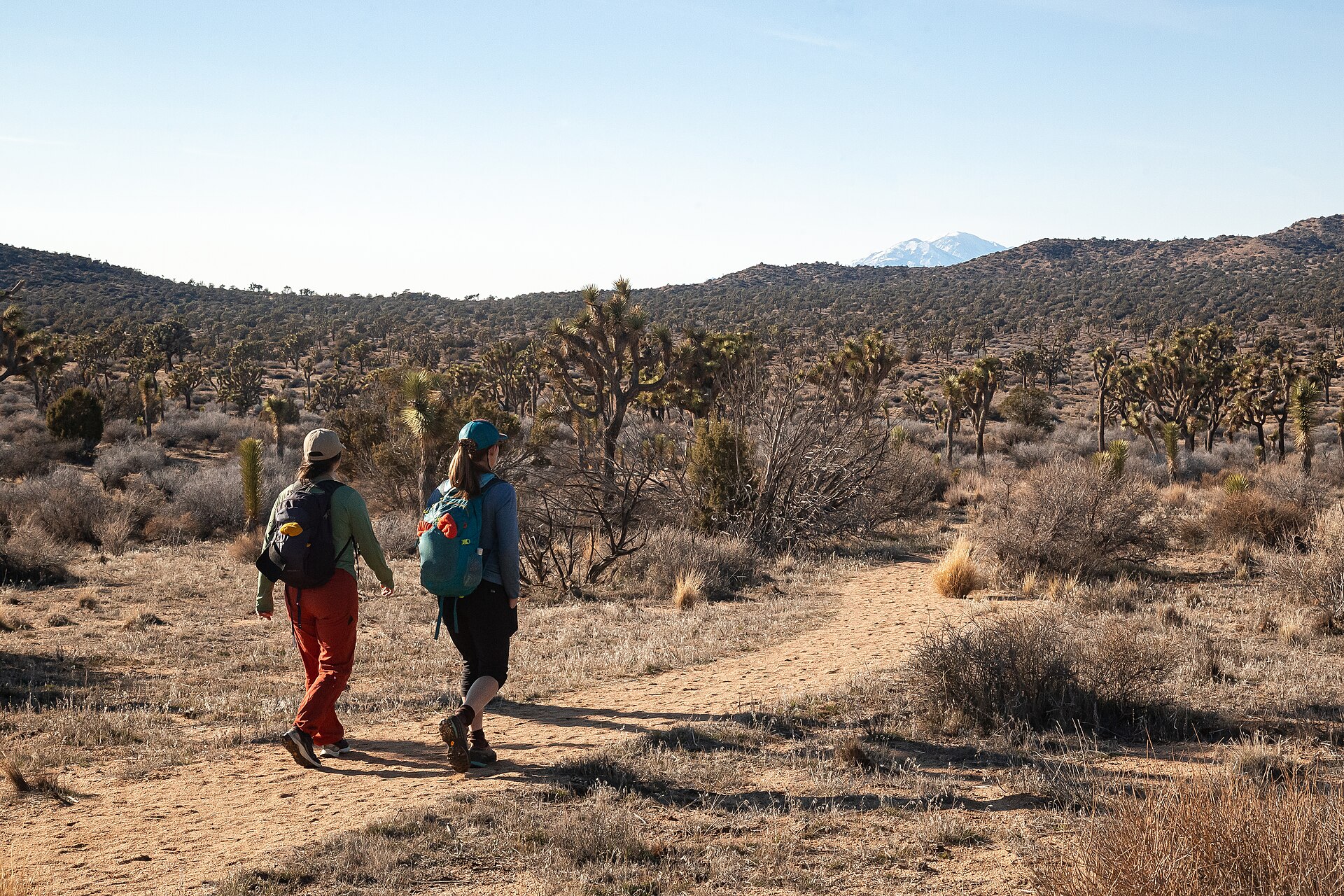
Desert hiking can be an unforgettable experience—endless views, peaceful solitude, and dramatic landscapes. But the desert environment is also unforgiving. Extreme heat, dry air, and sudden weather shifts require extra preparation. Here’s how to stay safe and comfortable with the right desert hiking gear and know-how.
1. Prioritize Water and Hydration
- Carry at least 4 liters per person per day—more if hiking uphill or in extreme heat
- Use hydration bladders or lightweight jugs for bulk water
- Add electrolyte tablets (e.g. Nuun) to replace salt lost through sweat
- Know where water sources are—use apps like Gaia GPS to plan
2. Dress to Deflect the Sun
Wear light-colored, loose-fitting clothing to reflect heat and cover your skin.
Recommended items:
- Long-sleeve UPF shirts
- Wide-brim hat with neck flap
- Sunglasses with UV protection
- Buff or neck gaiter for sand/dust
Check out Columbia’s PFG line for sun-protective options.
3. Choose the Right Footwear
You’ll need ventilated hiking boots or trail runners with strong grip for sand and rock. Avoid waterproof boots—they trap heat. Gaiters can help keep sand out of your shoes.
4. Start Early, End Early
Plan to be off the trail before noon. Desert temperatures can rise 20°F+ in an hour.
Start at sunrise if possible and rest in the shade during midday.
5. Pack Emergency Sun & Heat Gear
- Reflective emergency blanket (for shade)
- Cooling towel or bandana
- Sunscreen (SPF 50+, reapply often)
- Lip balm with SPF
- Compact tarp for shade if no natural cover is available
Desert hiking safety tips – American Southwest
6. Be Aware of Wildlife and Plants
- Rattlesnakes are common—watch where you step and sit
- Avoid brushing against cacti or thorny bushes
- Don’t touch or drink from puddles or unknown sources
7. Tell Someone Before You Go
There’s often no cell service in remote desert areas. Leave your plans with a friend and bring a satellite communicator if going far off-grid (e.g. Garmin inReach).
8. Watch for Signs of Heat Illness
Symptoms include:
- Dizziness, headache
- Rapid heartbeat
- Confusion
If symptoms appear, rest in shade, hydrate, and cool down immediately. Don’t hesitate to end the hike.
CDC guide on heat-related illness
Conclusion
The desert rewards those who respect it. With the right gear, hydration strategy, and awareness, you can enjoy the silence, beauty, and challenge of desert hiking—safely and comfortably.
Planning for heat: read the forecast, not just the thermometer
Temperature alone does not tell you how hard a hot day will hit you. Dry desert air at 38 C and a humid 32 C afternoon in the Japanese lowlands can feel equally punishing, because sweat only cools you when it evaporates. Forecasters capture this with the wet bulb globe temperature, or WBGT, and the Ministry of the Environment in Japan publishes it daily for every region from late April to October, with a heatstroke alert once it passes 33. Treat that alert exactly as you would a red flag warning in the desert: shorten the route or move it to dawn.
Build the day around the heat curve. Start walking before sunrise, aim to be at your highest or most exposed point by nine, and finish or reach shade before the hottest hours between noon and three. In Japanese mountains the same plan has a second reason: afternoon cloud and thunderstorms build over the ridges from July through September, and typhoon season pushes the humidity even higher.
Plan rest as deliberately as distance. Ten minutes in shade every hour, hat off and pack off, lets your core temperature drop before it drifts upward for good. Learn the difference between heat exhaustion, which is treated with rest, water and salt, and heatstroke, where the person stops sweating, becomes confused and needs cooling and evacuation at once. In Japan the number for mountain rescue is 110, the police line, and 119 reaches fire and ambulance.
Water: how much, where it comes from and how to make it work
The four-litre rule from the desert is a floor, not a ceiling. Sweat losses on a humid climb can reach a litre an hour, so the useful question is not only how much to carry but where you can refill. On Japanese trail maps, springs are marked with the word mizuba, and mountain huts sell bottled water or provide spring water for a small charge. Convenience stores near the trailhead station are the easiest resupply of all: buy your bottles at the last one before the bus.
Drink on a schedule rather than by thirst. A few mouthfuls every fifteen minutes keep your stomach from rejecting a large gulp later, and pairing water with salt is what actually prevents cramps. Japanese pharmacies and convenience stores sell salt tablets and oral rehydration drinks formulated for the summer; a sports drink diluted half and half with water is the cheap version.
- Two litres minimum on your back, plus a plan for every refill point.
- Electrolytes, not just water, every hour in heavy sweat.
- A filter or purification tablets for unmarked streams; mapped mountain springs are usually safe.
- Note the last convenience store, hut or tap before the trail turns remote.
If you are ever forced to ration, ration the walking, not the drinking. Sit in shade, drink what you have, and wait for the evening to move.