
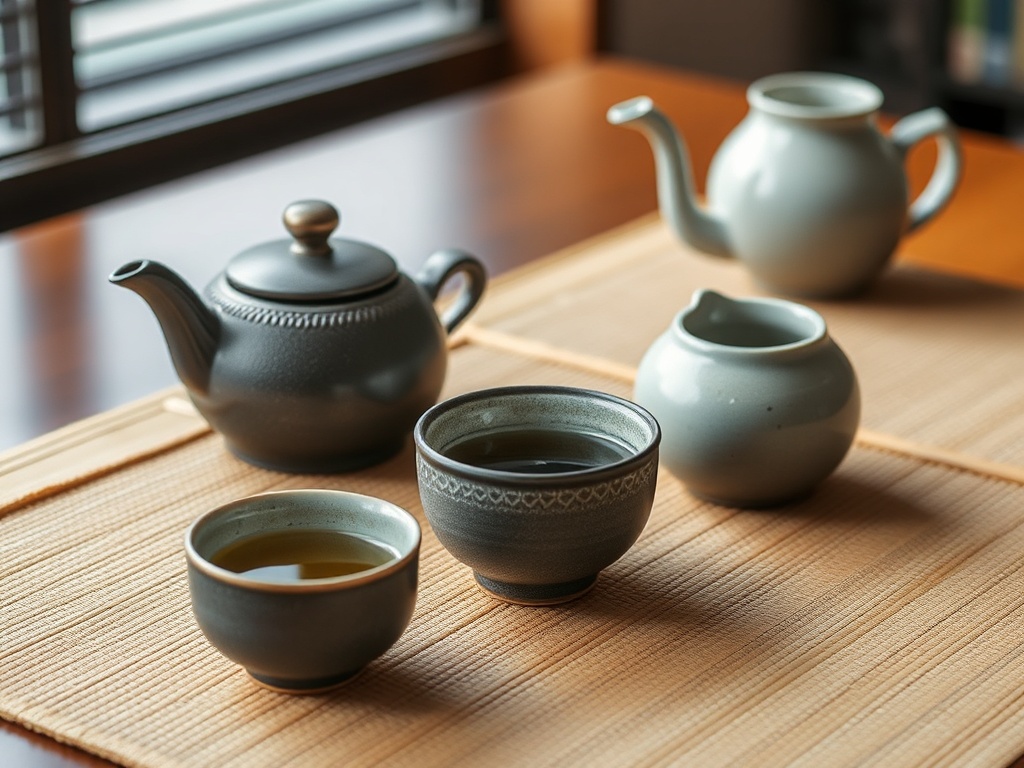
Discovering the Spirit of Japanese Tea Culture
Steeped in centuries of tradition, the Japanese tea ceremony—chanoyu—is far more than just a way to serve tea. It is a ritual of mindfulness, harmony, and respect. For those beginning their journey into this refined practice, understanding the essential teaware is a crucial first step toward embracing the deeper philosophy behind every pour.
The Core Philosophy Behind Teaware
Each item used in the tea ceremony is chosen with care, balancing function with aesthetics. The tools aren’t merely utensils—they are vessels of intention. From rustic clay bowls to bamboo whisks, every piece plays a role in creating a moment of tranquility and connection. According to Britannica, the Japanese tea ceremony was influenced by Zen Buddhism and places immense value on simplicity and respect.
Must-Have Teaware for Beginners
Whether you’re hosting a simple tea gathering at home or diving into the formal path of tea study, the following essentials will anchor your practice.
1. Chawan (Tea Bowl)
The chawan is perhaps the most iconic item in Japanese tea practice. These bowls vary in size, shape, and texture, often reflecting the season. A deeper bowl is preferred in winter to keep the tea warm, while a shallower one suits warmer months. Beginners should select a well-balanced bowl that fits comfortably in both hands.
2. Chasen (Bamboo Whisk)
To achieve that perfect frothy consistency in matcha, a chasen is indispensable. Crafted from a single piece of bamboo, this whisk is gently hand-carved into thin prongs that aerate the tea. Using it correctly requires practice, but the result is worth the effort. For those curious about the craftsmanship behind it, Nippon.com offers an insightful look into traditional chasen-making.
3. Chashaku (Tea Scoop)
This delicate bamboo scoop is used to measure matcha powder. Unlike metal utensils, the chashaku doesn’t alter the flavor and adds a touch of elegance. A standard scoop holds about 1 gram of matcha, perfect for a single serving.
4. Natsume or Chaire (Tea Caddy)
Used to store matcha powder during the ceremony, a natsume is typically made of lacquered wood and used in informal settings. For formal occasions, a chaire—a small ceramic caddy—is preferred and often wrapped in an ornate silk cloth called shifuku.
5. Kensui (Waste Water Bowl)
This humble yet essential item is where used water is discarded. Though simple in appearance, the kensui plays a silent but key role in maintaining the fluidity and cleanliness of the ritual.
6. Fukusa and Chakin (Cleaning Cloths)
- Fukusa: A silk cloth used to ritually cleanse the tea scoop and tea caddy, symbolizing respect and purity.
- Chakin: A white linen cloth used to wipe the chawan. It represents the host’s care and attention to detail.
Choosing the Right Set: Tips for Beginners
If you’re just starting out, opt for a basic set that includes a chawan, chasen, chashaku, and natsume. Many beginners find it helpful to select teaware that reflects their personal aesthetic while honoring traditional design. According to the Smithsonian’s guide on Japanese tea culture, the visual harmony between items is a central aspect of the experience.
Modern Reflections of Ancient Traditions
Today, the tea ritual continues to inspire mindfulness and intentional living. Many Japanese homes still keep a dedicated space for tea preparation, while contemporary designers reinterpret classic teaware with modern materials and minimalist aesthetics. Even in urban settings, tea gatherings provide a moment of calm in the fast-paced rhythm of daily life.
Where the tools are made and what to budget
Almost every genuine chasen in Japan comes from one place: the Takayama district of Ikoma in Nara Prefecture, where a few dozen families have split bamboo by hand for five centuries. A Takayama whisk sells for roughly 2,000 to 6,000 yen depending on the number of prongs, against 500 to 1,000 yen for a machine-made import, and the difference shows in how long the tines hold their curl. Buy the 80- or 100-prong type for thin tea and add a ceramic whisk stand, a kusenaoshi, for a few hundred yen to keep its shape while drying.
Bowls are a regional story. Kyoto’s Kiyomizu-zaka and the Gojo pottery district are good for a first Kyo-yaki bowl; Hagi in Yamaguchi, Shigaraki in Shiga, Bizen in Okayama and Karatsu in Kyushu each have their own kilns and shops within a day trip of the main lines, and Kutani porcelain is sold all over Kanazawa. A well-thrown starter bowl from any of these costs 3,000 to 10,000 yen; a chashaku 500 to 2,000 yen; a plain lacquered natsume 2,500 to 8,000 yen. In Kyoto the streets around Teramachi-dori hold a cluster of long-established utensil dealers, and the Raku Museum and the Nomura Art Museum both display historic sets so you can see classic proportions before you spend anything.
Care and a lightweight kit for the trail
Teaware lasts if you respect a few habits. Soak a new chasen’s tips in warm water for a minute before the first use and before every use afterwards; rinse it in warm water only, never soap, and dry it upright on its stand. Expect to replace it after 100 to 150 bowls as prongs break. Store matcha in the fridge in 20- to 40-gram tins, used within a month of opening, and sift it through a fine strainer; this removes the clumps that ruin froth. Warm the bowl with hot water and discard it before adding the powder, and use water cooled to 70 to 80 degrees Celsius.
For walkers, a compact set fits in a side pocket: a small, thick-walled bowl wrapped in a wool sock, a short travel chasen in its plastic tube, a folding chashaku or a simple bamboo spoon, a 30-gram tin, and a thermos filled at breakfast. The whole kit weighs under half a kilo. Skip delicate Raku ware on the trail; a sturdy Shigaraki or Mino bowl survives a pack far better and looks entirely correct at a temple gate on the Kumano Kodo or a bench above the Uji river.
Final Thoughts
Starting your journey into Japanese tea rituals is both a spiritual and aesthetic endeavor. While the tools may seem simple, they carry with them centuries of wisdom and symbolism. By choosing the right teaware and embracing its purpose, beginners can begin to experience the quiet beauty of the tea ceremony—one bowl at a time.