
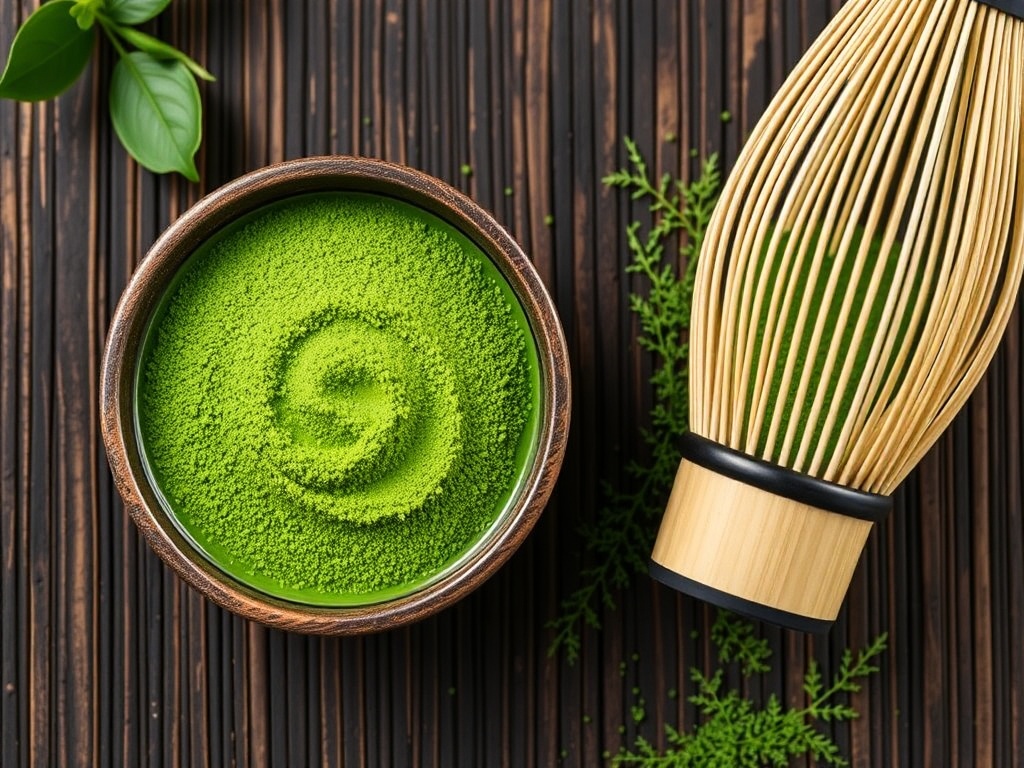
Understanding the Role of the Chasen in Japanese Tea Culture
The chasen, or bamboo whisk, is more than just a utensil—it’s a symbol of harmony and tradition in the Japanese tea ceremony. Crafted from a single piece of bamboo, this tool is essential for transforming fine matcha powder into a smooth, frothy beverage. Choosing the right one is not only a matter of functionality but also of cultural appreciation.
Different Types of Bamboo Whisks
There is no one-size-fits-all when it comes to chasen. The choice depends on the type of matcha being prepared and the style of tea ceremony.
- Kazuho chasen: The most common type, ideal for daily use and beginners.
- Shin chasen: With thicker tines, often used in formal tea schools.
- Susudake chasen: Made from aged bamboo, offering a rustic aesthetic favored in traditional ceremonies.
- Koicha chasen: With fewer, sturdier tines for preparing thick matcha (koicha).
Each variation reflects different schools of tea and methods of preparation. Knowing which to select helps preserve authenticity.
Factors to Consider When Choosing a Chasen
1. Number of Tines
The number of prongs or tines directly affects the texture of the matcha. A whisk with 80 to 120 tines is ideal for usucha (thin tea), while koicha requires fewer, more robust tines (typically 48 or 64).
2. Bamboo Type and Color
Chasen are usually made from white, smoked, or black bamboo. White bamboo is common and light in tone, while smoked bamboo (susudake) offers a more traditional, antique look. Black bamboo is rare and often used in ceremonial settings.
3. Craftsmanship
The finest chasen are handcrafted by skilled artisans in Takayama, Nara Prefecture—a region known for its centuries-old chasen-making tradition. The attention to detail in cutting and splitting the bamboo determines the whisk’s longevity and performance.
How to Recognize Quality
High-quality chasen exhibit several key features:
- Symmetry in the tines, evenly spaced and shaped.
- Flexibility without brittleness—tines should bend slightly when pressed.
- Smooth handle with no splinters or rough edges.
- Traditional packaging and possibly a signature from the artisan.
When possible, opt for a chasen made by recognized craftsmen. According to Nippon.com, many of these artisans have passed their techniques down through generations, preserving the authentic methods of production.
Maintaining Your Chasen
Proper care extends the life of your whisk and maintains the integrity of your matcha preparation:
- Soak it briefly in warm water before each use to soften the tines.
- Rinse without soap and avoid dishwashers.
- Use a whisk holder (kusenaoshi) to maintain its shape after drying.
- Store in a dry, well-ventilated area to prevent mold.
Neglecting care can lead to broken tines or warped shapes, compromising the ceremony’s quality and meaning.
The Spiritual Connection with the Chasen
Beyond practicality, the chasen embodies the spirit of wabi-sabi—the beauty in imperfection and impermanence. Each whisk, with its subtle variations, reflects the artisan’s hand and the natural characteristics of the bamboo. This is why many tea masters view the chasen as a bridge between nature and ritual.
In an interview featured by BBC Travel, a Kyoto-based tea master described the chasen as “the breath of the ceremony,” emphasizing its role in setting the tone and pace of the experience.
Where the whisks are made and how to buy one
Almost every hand-made chasen in Japan comes from one place: Takayama, a district of Ikoma city in Nara Prefecture, not to be confused with the better known Takayama in Gifu. A few dozen workshops there still split, shave and thread the bamboo by hand, and the district accounts for the great majority of domestic production. It is an easy half-day from Kyoto, Osaka or Nara: take the Kintetsu Keihanna line to Gakken-Kita-Ikoma station, then a local bus or a ten-minute taxi to Takayama Chikurinen, the town’s bamboo garden and craft centre, which explains the process and often has an artisan demonstrating. Admission is free and whisks are sold on site.
Knowing the origin makes the price gap understandable. A Takayama whisk usually costs 2,500 to 6,000 yen for a standard 80-tine kazuho, more for susudake or black bamboo. Whisks sold for 500 to 1,500 yen are almost always imports; they work, but the tines are thicker and break sooner. Tea shops in Uji, on the JR Nara line south of Kyoto, and the utensil shops near the Urasenke and Omotesenke head houses in Kyoto’s Kamigyo ward carry the Nara whisks with the maker’s name on the box. If you are buying for a specific school, say so: Omotesenke traditionally uses susudake, Urasenke white bamboo, and Mushakojisenke a purple-black variety.
First use, replacement and travelling with a whisk
A new chasen should be soaked in warm water for a minute or two before its first bowl; the curled inner tines straighten slightly and a few may shed a fine strand of bamboo, which is normal. Whisk with a loose wrist in a W motion, keeping the tips off the bottom of the bowl. Rinse immediately after use, shake out the water and let it dry on the kusenaoshi holder, never in the plastic tube it came in, which traps moisture and invites mould.
Even with care a whisk is a consumable. With daily use expect to replace it after three to six months, when tines break, the shape flattens or the foam becomes coarse. Practitioners treat this as normal: some temples and tea schools hold a chasen kuyo, a memorial in which used whisks are burned with thanks.
For walkers who carry matcha on the trail, a smaller travel whisk fits a hard case beside a 200 millilitre bowl, and a screw-top tin of 30 grams is enough for two weeks. Dry the whisk fully before packing it each morning and it will survive a week on the Kumano Kodo without complaint.
Final Thoughts
Choosing the right bamboo whisk is a deeply personal and cultural decision. It’s about more than frothing tea—it’s about connecting with centuries of tradition, respecting the artisans behind the craft, and embracing the mindful spirit of Japanese tea ceremonies. Whether you’re a curious beginner or a devoted practitioner, selecting your chasen with care brings authenticity and soul to every bowl of matcha you prepare.