
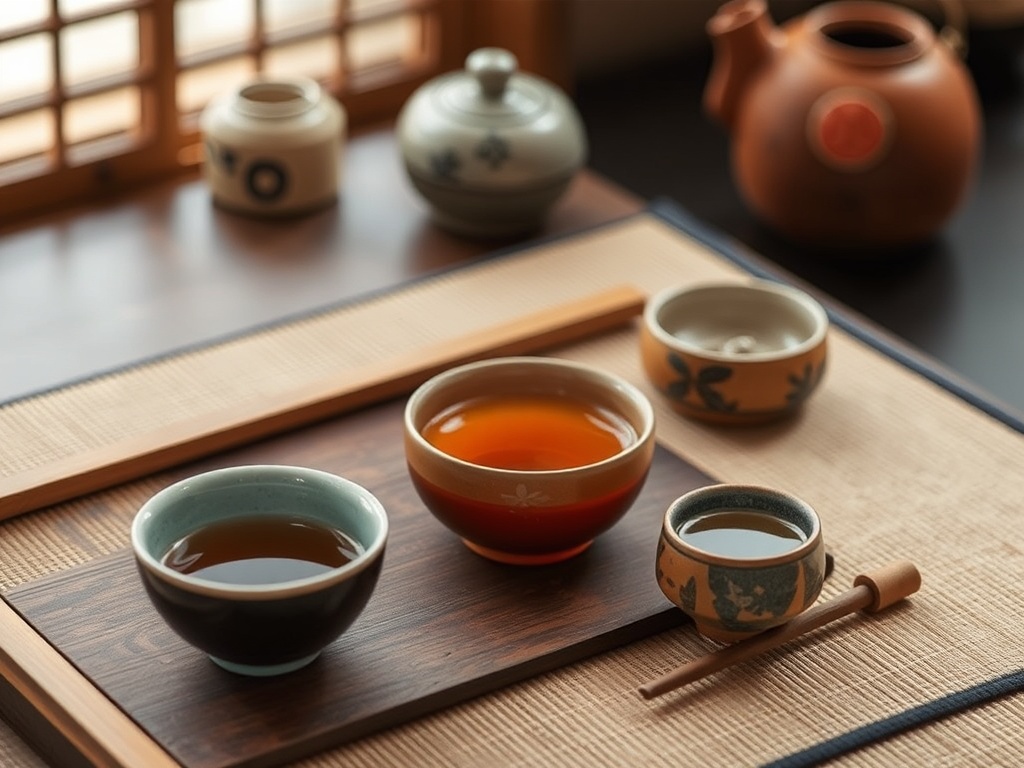
Embracing the Seasons Through Tea Utensils
In Japan, the tea gathering—or chaji—is more than just a ceremonial experience. It is a deeply rooted cultural ritual that reflects the ever-changing seasons. At the heart of this tradition lies a collection of carefully selected tools and utensils, many of which are changed throughout the year to align with nature’s rhythm. These seasonal variations aren’t just aesthetic—they bring authenticity and mindfulness to the experience.
Why Seasonal Tools Matter in the Way of Tea
The Japanese tea ceremony, or chanoyu, is a practice steeped in balance, simplicity, and harmony. One of its most beautiful aspects is its sensitivity to the seasons. Every element—from the scroll hanging in the alcove to the water ladle—is a reflection of the season.
This seasonal awareness is known as kisetsukan, a concept which embodies the feeling or essence of a particular time of year. Incorporating seasonal tools in a tea gathering provides guests with an immersive experience that celebrates fleeting beauty, or mono no aware.
Spring: Delicate Renewal
Soft Colors and Floral Motifs
Spring gatherings highlight the awakening of nature. Tools often feature motifs of plum blossoms, cherry blossoms, or young bamboo. The chawan (tea bowl) might display pale pinks and soft greens, evoking the freshness of new life.
- Hanaire (flower vase): Often made of light ceramic or bamboo, filled with early blooms like camellias.
- Kensui (waste water bowl): Lighter in design, sometimes shaped like spring flowers.
These choices invite guests to savor the season’s rebirth, enhancing both visual and emotional resonance.
Summer: Cooling Sensations
Materials That Breathe
Japanese summers can be humid, so tea gatherings aim to offer a cooling effect. Utensils in summer are often made from materials like glass or unglazed clay. The goal is to create a psychological sense of refreshment.
- Glass chawan: Translucent bowls that reflect light and suggest coolness.
- Furo (portable brazier): Replaces the sunken hearth used in colder months, signaling the seasonal shift.
Even the sweets served, such as kuzu mochi or warabi mochi, are chosen for their light textures and chilled presentation.
Autumn: Earthy Tones and Reflection
Autumn gatherings focus on introspection and the transient beauty of falling leaves. Tools feature deep reds, browns, and golds. Natural textures from clay, wood, and iron dominate the space.
- Chakin (linen cloth): Often dyed in ochre or rust tones.
- Natsume (tea caddy): With lacquered designs of maple leaves or harvest scenes.
This season is also a time for gratitude, often reflected in the choice of incense or poetic scrolls displayed in the alcove.
Winter: Warmth and Stillness
Deep Heat and Comfort
In winter, the tea room becomes a haven of warmth. The hearth is opened, and heavier, darker utensils are chosen to reinforce the sense of depth and contemplation that winter brings.
- Raku ware chawan: Thick-walled bowls that retain heat longer.
- Iron kettle (kama): Often with intricate designs, symbolizing endurance.
The atmosphere encourages slow, mindful interaction, aligning with the introspective mood of the season.
Voices from the Tea Masters
According to Professor Ikeda from Kyoto’s Urasenke school, “Seasonality is not just decoration; it’s an invitation to be present in this exact moment.” This philosophy is echoed by many tea practitioners who view the changing tools as a way to ground participants in nature’s cycle.
Even modern interpretations of the tea ceremony hold fast to this principle. As noted in a recent National Geographic feature on the Japanese tea ceremony, younger generations are rediscovering the power of seasonal elements in grounding daily life.
Modern Influences and Preservation Efforts
Today, artisans across Japan continue to craft seasonal utensils using traditional techniques. These include kilns in Mashiko and Bizen, where seasonal design meets centuries-old methods. Efforts to preserve this craftsmanship are supported by cultural institutions and universities. For instance, the Encyclopedia Britannica highlights how these tools are integral to the evolution of Japanese aesthetics.
Organizations like the UNESCO Intangible Cultural Heritage program also emphasize the importance of safeguarding such traditions, recognizing them as living cultural expressions that shape identity and community.
Where to see seasonal utensils in real tea rooms
The clearest way to understand the switch between the sunken hearth and the portable brazier is to visit a tea room twice, once in each half of the year. In most schools the ro (sunken hearth) is opened in early November, an occasion called robiraki that also marks the opening of the new tea jar, and the furo brazier returns around the start of May. Public tea houses follow the same calendar, so a visit to the Taihoan municipal tea house in Uji, the Shigure-tei pavilion in Kenroku-en garden in Kanazawa or the Nakajima no Ochaya in Hamarikyu Gardens in Tokyo will show the utensils appropriate to the month. A bowl of matcha with a sweet costs roughly 700 to 1,500 yen there, with no reservation.
For a closer look at historic pieces, three museums are worth a detour. The Raku Museum in Kyoto, a short walk from Imadegawa station on the Karasuma subway line, displays bowls from the Raku family across fifteen generations and rotates its exhibition with the seasons. The Nomura Art Museum near Nanzen-ji shows tea utensils in spring and autumn only, matching the tea calendar. In Kanazawa, the Nakamura Memorial Museum keeps a strong collection of tea ceramics and serves matcha in an adjoining room. Admission at these museums falls between 600 and 1,500 yen.
Timing a visit around the tea year
If you can choose your dates, aim for the transitions. Late April and early May bring the last brazier gatherings and the first flush harvest in Uji and Wazuka, while early November combines robiraki with autumn colour in the temple gardens of Kyoto. Both Urasenke and Omotesenke, whose head houses stand a few streets apart in the Kamigyo district of Kyoto, publish schedules of public gatherings and short introductory sessions.
- May to October: furo brazier, lighter bowls, chilled sweets, morning gatherings preferred.
- November to April: ro hearth, thick Raku bowls, warm steamed sweets, gatherings that run longer.
Whatever the month, remove rings and watches before handling any bowl, and ask before photographing the alcove.
Conclusion: Honoring Time Through Utensils
The seasonal tools used in Japanese tea gatherings are more than functional items—they are symbolic bridges between time, nature, and human experience. Their thoughtful selection and use breathe authenticity into the ceremony and invite guests to slow down, observe, and connect with the ephemeral beauty of the present moment.
Whether you’re a seasoned practitioner or a curious observer, paying attention to these seasonal nuances can offer a deeper appreciation of Japanese culture and its timeless elegance.