
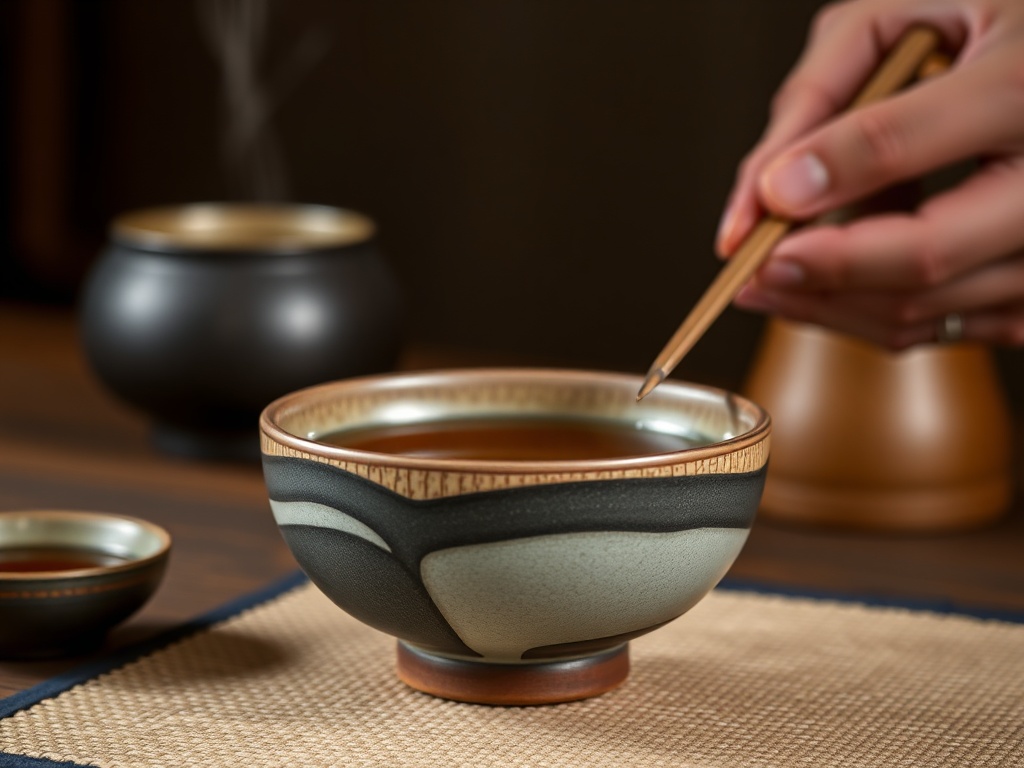
Understanding the Role of the Chawan in Japanese Tea Culture
The chawan, or tea bowl, is far more than a simple vessel in the Japanese tea tradition. It is an object of deep reverence, often handcrafted and unique, reflecting the spirit of wabi-sabi—the beauty found in imperfection and impermanence. For tea practitioners, the chawan embodies the essence of the tea ceremony itself: mindfulness, simplicity, and harmony.
The Art of Handling the Chawan with Respect
Whether you’re a seasoned tea master or a curious beginner, how you handle and care for your chawan speaks volumes about your understanding of the tradition. Here are some key principles to follow:
- Always use two hands when holding or presenting the bowl—this shows respect and care.
- Avoid sudden temperature changes. Pouring boiling water into a cold chawan can cause cracks due to thermal shock.
- Observe the front (shōmen) of the bowl. This side is usually the most beautiful and should face your guest during a ceremony.
Cleaning and Maintenance Tips from Tea Masters
Many tea practitioners emphasize that cleaning the chawan is a meditative act. It’s not just about hygiene—it’s about honoring the bowl’s role in your practice.
Daily Cleaning Ritual
After each use, rinse the chawan with warm water. Avoid using soap, especially with unglazed or porous clay, as it can absorb the scent and alter future tea experiences. Gently wipe it with a soft, clean cloth and let it dry naturally in a shaded area.
Dealing with Stains or Odors
If your chawan develops a tea stain or odor over time, soak it in lukewarm water for a few hours. For stubborn marks, some tea practitioners recommend using a soft brush made of natural fibers. Harsh scrubbing or detergents can damage the clay’s integrity.
Storage Secrets: Preserving the Soul of the Chawan
Proper storage is crucial to maintaining the chawan’s aesthetic and structural quality. Here’s how to do it right:
- Keep it in a breathable environment. Avoid sealed plastic containers that can trap moisture and cause mold.
- Use wooden boxes or cloth wraps (fukusa) for long-term storage, especially for antique or seasonal bowls.
- Rotate your chawans by season, as is customary in traditional tea practice. This also helps prevent overuse and wear.
Insights from Japanese Craftspeople
Many renowned chawan artists stress the importance of forming a bond with the tea bowl. According to Kyoto-based ceramicist Takashi Yamada, “a chawan is not just made—it is raised.” He explains that the user plays a vital role in the bowl’s aging process, with each use adding to its character and patina.
Such sentiment is supported by experts from Britannica’s overview of Japanese ceramics, which highlights how tea bowls evolve over time, becoming more beautiful as they age through careful use.
Modern Life, Traditional Vessels: Keeping the Balance
In contemporary Japan, where rapid urban life contrasts with ancient customs, many people find solace in the ritual of tea. The chawan remains a grounding object—one that connects its owner to nature, history, and inner calm. Some even display their favorite bowls as art when not in use, treating them as reminders of peaceful intention in daily life.
Whether used in a formal tea ceremony or a quiet morning moment, the chawan invites us to slow down and engage with the present. And in caring for it, we care for the spirit of tea itself.
Different clays ask for different care
The general rules above shift depending on what your bowl is made of. Raku ware from Kyoto is fired at low temperature and stays soft and porous; it drinks up tea, must never be soaked for hours, and should dry for a full day or two before it goes back into its box. Hagi ware from Yamaguchi is famous for the way its crackled glaze absorbs tea and slowly changes colour, a transformation collectors call the seven changes of Hagi, so staining there is a virtue. Stoneware from Shigaraki, Bizen or Karatsu is dense and tolerant and can take a soft brush and a long rinse. Porcelain such as Kutani from Kanazawa is the least demanding and the sensible choice for a single daily bowl.
Pay attention to the unglazed foot ring, the kodai, on any bowl. It holds moisture longest, and in Japan’s humid stretch from June to September a bowl boxed while the foot is still damp will grow mould. Leave the bowl upside-down on a cloth for an hour, then upright overnight, before wrapping. Mild mould can usually be removed with a soft cloth and a brief rinse in very hot water; do not use bleach on tea ware.
Boxes, repairs and where to study the masters’ bowls
Serious bowls are sold in a paulownia box, a kiribako, whose lid carries the potter’s inscription and which regulates humidity better than any container you can buy afterwards. Keep the box and the cloth. A broken bowl is not the end: kintsugi, the lacquer-and-gold repair, is offered as a two- to three-hour taster in Kyoto and Kanazawa for about 3,000 to 8,000 yen, while a professional repair takes weeks to months and starts around 10,000 yen.
To calibrate your eye, spend an afternoon with historic pieces. The Raku Museum in Kyoto, a few minutes from the Urasenke and Omotesenke headquarters in Kamigyo ward, shows fifteen generations of the family’s bowls; the Nomura Art Museum near Nanzen-ji has a strong tea-utensil collection; the Nakamura Memorial Museum in Kanazawa and the Tokyo National Museum both rotate celebrated chawan through their tea rooms. Admission runs 500 to 1,500 yen, and most close on Mondays.
If you carry a bowl on a walk, choose a small, thick-walled stoneware piece over anything Raku, wrap it in a fleece inside a hard-sided lunch box, and rotate by season as the tea rooms do: a shallow hira-chawan cools tea in summer, and a deep tsutsu-chawan keeps it warm on a November ridge.
Final Thoughts: A Relationship Built Over Time
To prepare and maintain your chawan is to participate in a living tradition. It’s a conversation between craftsman and user, past and present. With every careful touch and mindful sip, the tea bowl becomes more than ceramic—it becomes a companion on your journey through the art of tea.