
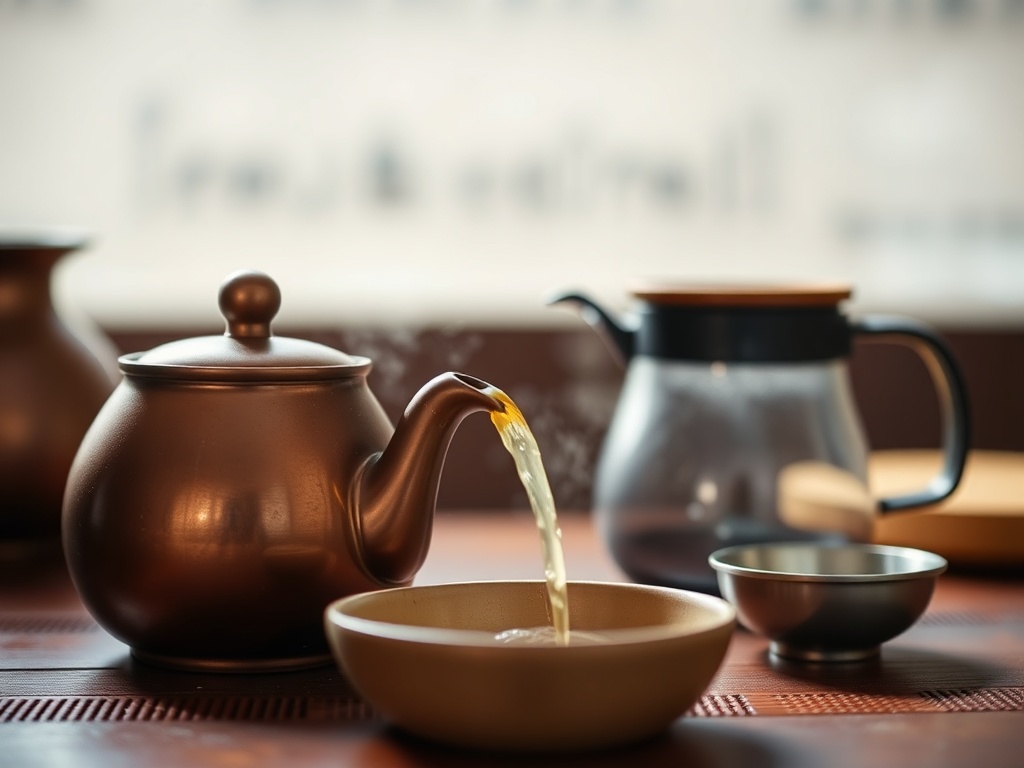
Unveiling the Essence of the Tea Ceremony
The Japanese tea ceremony, known as chanoyu or sado, is far more than the act of drinking tea. It is a spiritual and aesthetic discipline rooted in Zen Buddhism, shaped by centuries of tradition. At its heart lies a quiet reverence for simplicity, nature, and mindfulness. But what truly brings this ritual to life are the tools—each one imbued with symbolism and purpose.
The Chagama: The Soulful Kettle
Central to the tea ceremony is the chagama, the iron kettle used to heat water. More than just a vessel, it represents purity and the transience of life. The soft hiss of steam rising from the kettle is meant to soothe the spirit and guide the host into a meditative state.
Traditionally, chagama are crafted by skilled artisans using techniques passed down through generations. According to Britannica, their design reflects both function and wabi-sabi aesthetics—a beauty found in imperfection and impermanence.
Chashaku: A Scoop of Intention
The chashaku is a slender bamboo scoop used to transfer powdered matcha into the tea bowl. Though small, it holds great significance. Its shape is often hand-carved, and in some schools of tea, the scoop is treated as a sacred object, handled with deliberate care.
The chashaku teaches restraint—it delivers the precise amount of tea, no more, no less. This attention to detail echoes the principles of harmony and respect that define sado.
Chasen: The Whisper of the Whisk
Another iconic tool is the chasen, a bamboo whisk used to blend matcha with hot water into a frothy, velvety drink. Each chasen is made from a single piece of bamboo and can have over 100 tines, depending on the style.
Watching a host use the chasen is hypnotic—the circular motion, the rhythmic pace, the precision. According to Nippon.com, mastering this tool is essential to achieving the perfect bowl of tea, and reflects the host’s dedication to their craft.
Chawan: More Than a Bowl
The chawan, or tea bowl, may appear simple, but it is often a deeply personal object. Each bowl is chosen to match the season, the guest, and the type of gathering. Its texture, weight, and imperfections are all considered part of its charm.
Some bowls are centuries old, treasured and passed down through families. Others are created by contemporary potters who reinterpret tradition with modern sensibilities. The way the chawan sits in one’s palm is meant to create a moment of intimate connection between guest and host.
Other Essential Implements
Beyond the core tools, a tea ceremony includes a range of supporting items, each with its own role:
- Fukusa: A silk cloth used to ritually purify other tools.
- Natsume: A lacquered container for holding powdered tea.
- Hishaku: A bamboo ladle for transferring hot water from the kettle.
- Kaishi: Decorative paper used during the serving of sweets.
Together, these items form a meticulously choreographed dance, where every motion is intentional and meaningful.
Tools as Vessels of Philosophy
In Japanese culture, everyday objects often carry spiritual significance. This is particularly evident in the tea ceremony, where each tool represents a deeper concept. The brushstrokes on a chawan, the curve of a scoop, the silence surrounding the kettle—all remind us of the importance of presence, humility, and interconnectedness.
Experts at National Geographic highlight how these rituals, though ancient, still shape modern Japanese life—from art and design to mindfulness practices embraced by younger generations.
The Continuing Legacy
Today, while many aspects of Japanese life have modernized, the tea ceremony remains a powerful touchstone. Whether practiced in a Kyoto teahouse or a Tokyo apartment, the tools of sado continue to teach patience, grace, and awareness.
Even international audiences are beginning to appreciate the subtle beauty of these rituals. Universities and cultural centers around the world now offer classes in sado, helping to preserve and share this timeless tradition.
Where to see the tools in use and buy them well
The best place to watch these implements handled by trained hands is Kyoto. The Urasenke and Omotesenke schools, the two largest lineages descending from Sen no Rikyu, both keep their headquarters in the Kamigyo district, and Urasenke runs a Chado Research Center whose gallery shows historic utensils in seasonal exhibitions for 500 to 1,000 yen. The objects are labelled with the season and gathering they were made for, which explains far more than a shop window can.
For a working demonstration, several temples in Kyoto and Nara serve a bowl of matcha with a seasonal sweet for 500 to 1,000 yen, using a real chasen and chashaku in front of you. In Uji, twenty minutes from Kyoto on the JR Nara Line, the city-run Taiho-an tea house next to Byodo-in offers a short seated service, and the street leading to the temple is lined with tea merchants that also stock everyday utensils.
Bamboo whisks come mostly from Takayama in Ikoma, Nara Prefecture, where families have carved chasen for five centuries. Expect to pay 1,500 to 5,000 yen for a Takayama whisk, 1,000 to 3,000 yen for a plain chashaku, and anything from 3,000 yen for a student-grade chawan. Cheaper whisks in souvenir shops are often imported and split quickly.
Caring for the utensils once they are home
A chasen is a consumable, not an heirloom. Soak the tines in warm water before whisking, rinse with hot water afterwards, never use soap, and dry it upright on a kusenaoshi, the ceramic stand that keeps the tines open. Used daily it lasts a few months; stored damp it moulds within a week.
- Chawan: hand wash without detergent and dry fully before storing in its box; an unglazed foot stains if left wet.
- Chashaku: wipe with a dry cloth only, and keep it in its bamboo tube away from sunlight.
- Natsume: lacquer dislikes heat and dry air, so keep it out of direct sun and away from heaters.
- Chagama: empty it after use and let the residual heat dry the iron; a thin film of rust inside is normal.
In a lesson, ask before photographing the utensils; most teachers welcome it after the sitting, few during it.
Final Whisk of Wisdom
From the warmth of the kettle to the delicate scoop of matcha, the tools of the Japanese tea ceremony are more than instruments—they are gateways into a way of life. Through them, we glimpse a world where form meets spirit, and where every gesture carries meaning.
In a fast-paced world, taking a moment to appreciate the quiet ritual of tea may be one of the most profound acts of mindfulness we can embrace.