
Honoring Tradition While Embracing Sustainability
The Japanese tea ceremony, or chanoyu, has long embodied harmony, respect, purity, and tranquility. Today, these ancient values are being reinterpreted through a modern lens — one that emphasizes environmental consciousness. As Japan faces growing ecological challenges, a new generation of tea artisans and enthusiasts is turning toward eco-friendly teaware as a way to honor tradition while protecting the planet.
The Rise of Sustainable Materials in Teaware Production
Historically, teaware in Japan was crafted from ceramics, lacquerware, and bamboo — materials sourced locally and processed with minimal environmental impact. But with globalization came mass production, synthetic components, and waste. Now, there’s a shift back toward natural, biodegradable, and ethically sourced materials.
Popular Eco-Conscious Materials Include:
- Bamboo: Renewable, resilient, and naturally antibacterial.
- Recycled clay: Minimizes waste by reusing broken or unused ceramics.
- Wood-fired ceramics: Require no glazing chemicals and rely on traditional kilns.
- Plant-based lacquers: Derived from urushi trees, offering a non-toxic finish.
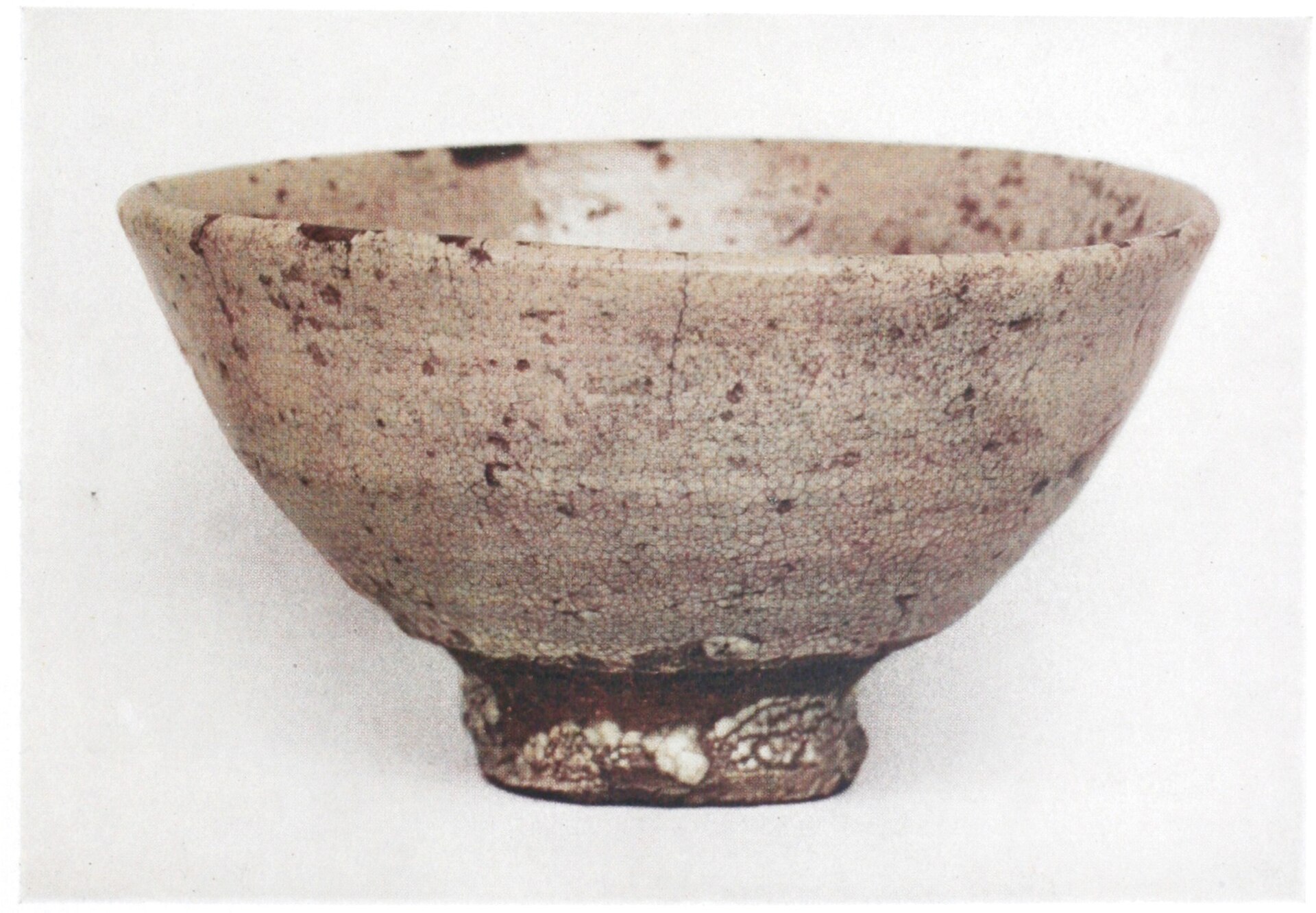
These materials not only reduce environmental impact but also reflect the wabi-sabi aesthetic — the beauty of imperfection and impermanence — so central to Japanese culture.
Aesthetic Meets Ethics: The New Age of Teaware Design
Modern Japanese artisans are blending time-honored techniques with contemporary design sensibilities. The result? Teaware that is not only sustainable but also visually stunning. From minimalist cups molded in small batch studios to hand-carved bamboo whisks, there’s a growing demand for pieces that tell a story and respect nature.
According to an article by National Geographic, this design philosophy is gaining traction across Asia, with Japan leading the way in integrating sustainability into daily rituals.
Younger Generations Leading the Green Tea Revolution
Among millennials and Gen Z in Japan, there’s a noticeable return to tea culture — not as a nostalgic pastime, but as an eco-conscious lifestyle choice. Many young people are rejecting plastic-packaged beverages in favor of locally sourced loose-leaf teas and sustainable brewing tools. Tea houses in cities like Kyoto and Tokyo are adapting by offering workshops on traditional brewing methods using zero-waste utensils.
Educational initiatives and community events are also helping to spread awareness. For instance, Kyoto University recently launched a program exploring the intersection of Japanese heritage and environmental innovation, which includes the study of traditional crafts like teaware-making (Kyoto University research news).
Challenges in Scaling Eco-Friendly Practices
Despite the growing interest, sustainable teaware remains a niche market. Artisanal production takes time and is often more expensive than mass-produced alternatives. There are also concerns about greenwashing, where companies market products as eco-friendly without meeting rigorous standards.
To truly transform the culture around tea, there must be ongoing support for local artisans, better consumer education, and policy incentives that favor sustainable practices. Fortunately, some municipalities in Japan are beginning to fund workshops and exhibitions that promote traditional and eco-conscious craftsmanship.
The Ceremony of the Future: What Lies Ahead?
As the climate crisis deepens, the tea ceremony may serve as more than a cultural ritual — it could become a symbol of environmental stewardship. By integrating sustainable materials and mindful consumption into every cup, Japan is redefining what it means to practice chanoyu in the 21st century.
Whether sipping matcha from a bamboo bowl or participating in a community tea gathering that champions zero waste, the movement toward eco-friendly teaware is a quiet revolution — one that honors the past while nurturing the future.