
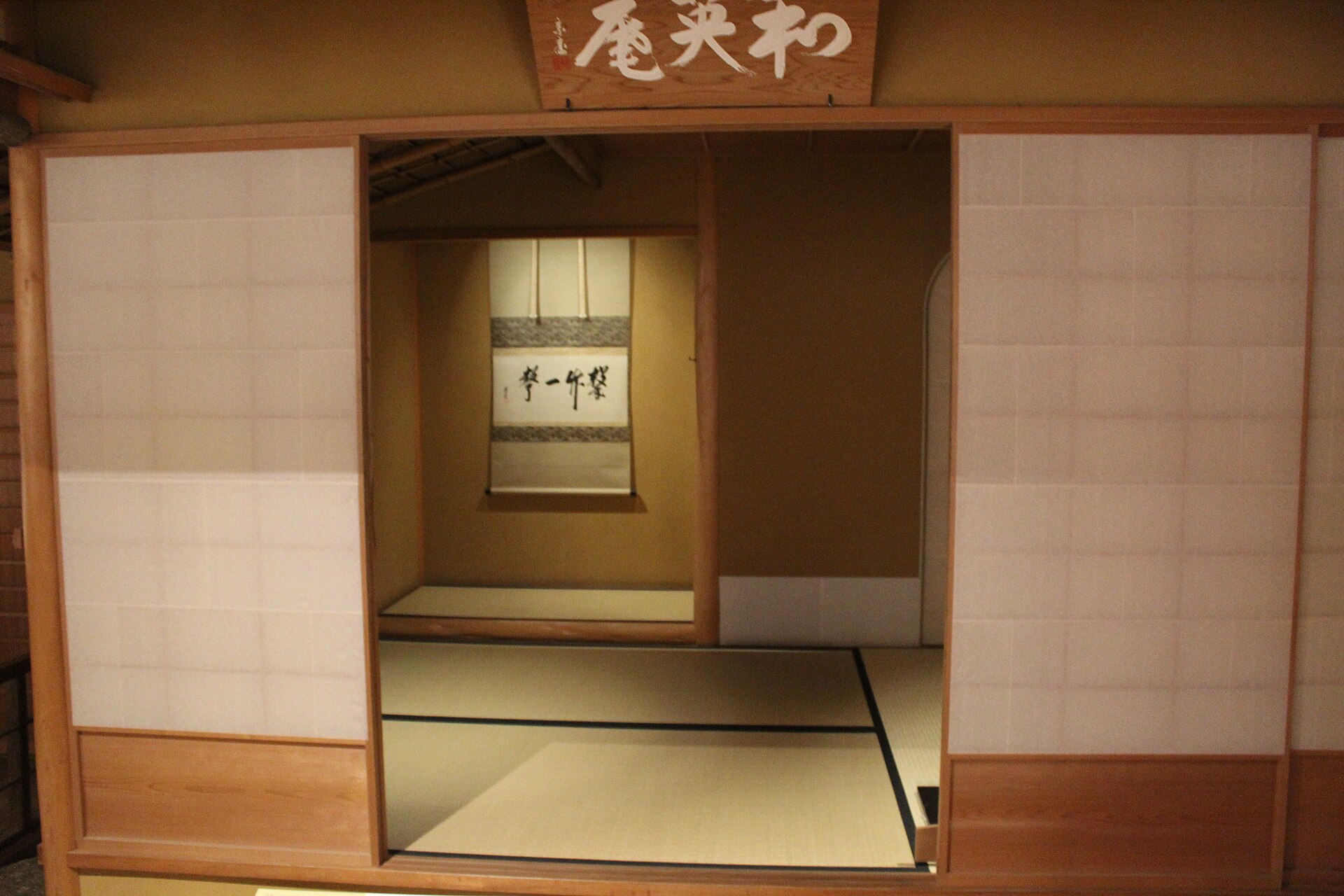
The Spirit of Chado in Urban Life
In the heart of Tokyo or Kyoto’s bustling streets, it may seem challenging to find a moment of pause. Yet, the ancient Japanese tea ceremony — Chado or “The Way of Tea” — continues to shape how many urban Japanese approach mindfulness and intentional living today. Rooted in Zen Buddhism, the tea ceremony is more than a ritual; it’s a philosophy that teaches harmony (wa), respect (kei), purity (sei), and tranquility (jaku). These values, though born in tatami-matted tea rooms, have found their way into the rhythm of modern city life.
Living Slowly in a Fast World
Modern cities are synonymous with speed — fast food, quick decisions, instant gratification. However, the tea ceremony advocates for the opposite: slowing down to savor the moment. Whether it’s the deliberate way tea is prepared or the silent appreciation of seasonal sweets, Chado reminds us that presence is power.
In interviews with Kyoto-based tea master Keiko Tanaka, she noted, “Even in the middle of the city, I begin each morning with a single bowl of tea. That time is my sanctuary.” Her words echo a growing trend among young professionals in Osaka and Tokyo who integrate mindful rituals into their daily routines.
Minimalism and Aesthetics in Everyday Spaces
One of the most striking aspects of a traditional tea room is its simplicity. Everything from the hanging scroll to the flower arrangement is chosen with care and intention. This aesthetic sensibility — known as wabi-sabi — celebrates imperfection and impermanence.
Urban dwellers are increasingly embracing these principles in their homes and offices. Here’s how Chado-inspired minimalism manifests in city life:
- Decluttered interiors that promote focus and calm
- Natural materials like wood and stone to reconnect with nature
- Seasonal displays that reflect the passing of time
This aesthetic has even influenced contemporary Japanese architecture and product design, as explored in Britannica’s overview of wabi-sabi.
Community and Connection Over Convenience
In a traditional tea gathering, guests and host share more than just tea — they share presence. Every gesture, every word is infused with meaning. This human-centered approach is inspiring a counter-movement to digital isolation in cities.
Urban tea salons are emerging as safe spaces for face-to-face interaction. These gatherings often include:
- Quiet reflection before the tea is served
- Conversation circles guided by shared values
- Storytelling about seasonal transitions or personal growth
Such spaces encourage people to be more intentional with relationships, fostering deeper community bonds amid urban anonymity.
Mindful Living as a Daily Practice
Incorporating tea ceremony principles doesn’t require full immersion. Many Japanese city dwellers adopt small, consistent habits that reflect the spirit of Chado. These include:
- Taking a mindful pause before meals
- Practicing silence during morning routines
- Engaging the senses fully when drinking any beverage
Even the act of arranging one’s desk with intention can be a form of tea-inspired mindfulness. According to a recent feature in National Geographic Travel, such practices are gaining popularity among young Japanese professionals seeking balance in a hyper-connected world.
Conclusion: The Way of Tea as a Way of Life
The Japanese tea ceremony offers more than a traditional experience — it provides a blueprint for living with purpose and grace amid urban chaos. As more people seek meaning in everyday moments, the ancient values of Chado shine brighter than ever, guiding a new generation toward mindfulness, simplicity, and authentic human connection.