
Where Ancient Leaves Whisper: Welcome to Uji
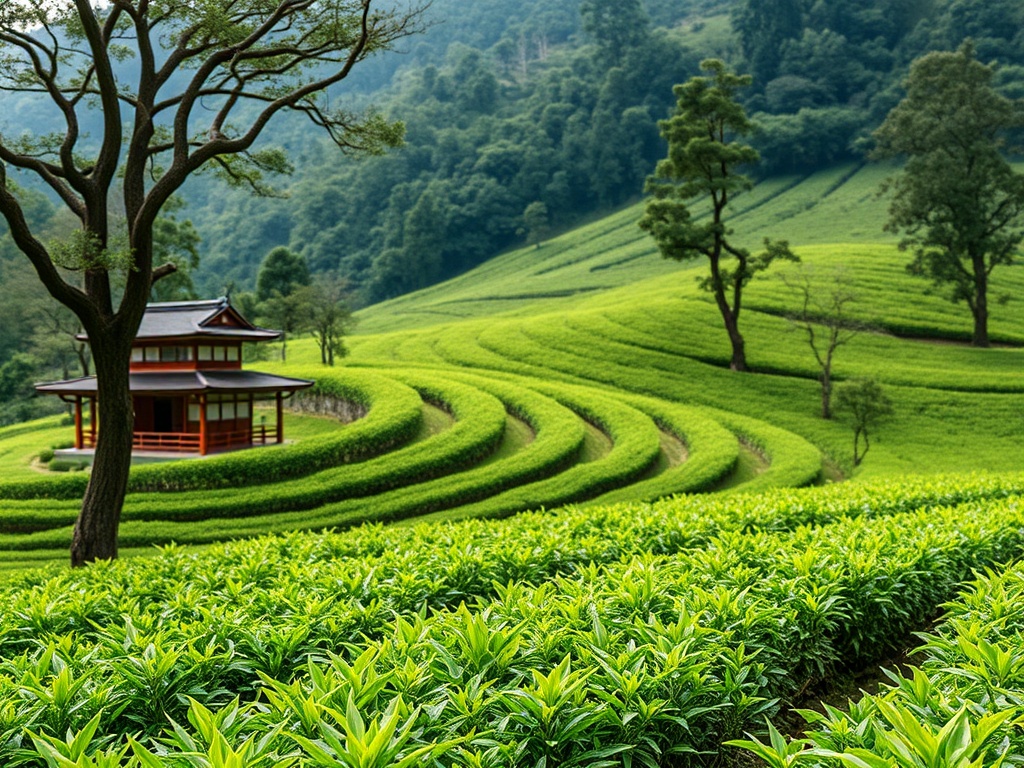
Nestled in the misty hills south of Kyoto lies the serene town of Uji, a place where time seems to slow with every steeped leaf. Renowned as the birthplace of matcha and one of Japan’s oldest tea-growing regions, Uji is more than a destination — it’s a sacred cradle of tradition.
Here, the tea fields stretch like green waves across the landscape, tended by families who have cultivated Camellia sinensis for centuries. But beyond the aesthetics lies a deeper story — one of ritual, reverence, and resilience.
The Origins of Uji Tea Culture
Tea cultivation in Uji dates back to the 13th century, when a Buddhist monk named Eisai brought tea seeds from China and encouraged their planting near Kyoto. The region’s cool climate, misty mornings, and rich soil made it ideal for growing high-quality tea. Over generations, Uji’s farmers perfected techniques like shading the leaves to enhance their sweetness — a practice still used today for matcha production.
By the 15th century, Uji tea had become so revered that it was served in the imperial court and used in sacred chanoyu (tea ceremonies). These ceremonies, refined by masters like Sen no Rikyū, elevated tea drinking to an art form — a quiet, meditative ritual that embodies wabi-sabi, the beauty of imperfection and impermanence.
Harvesting the Spirit: A Day with a Tea Farmer
To truly understand Uji’s tea culture, one must walk the fields. We visited the family-run farm of the Nakamuras, whose lineage of tea cultivation spans over 300 years. At dawn, the air is filled with the earthy fragrance of dew and leaves. The harvest begins with careful hands plucking only the youngest, tenderest leaves — a task performed with almost spiritual precision.
Traditional Practices Still Alive
- Hand-picking the first flush in spring to preserve flavor integrity
- Steaming and drying leaves on-site using age-old methods
- Stone-grinding matcha in small batches for ceremonial use
“The tea remembers everything,” says Mr. Nakamura. “The rain, the wind, our hands — it all becomes part of the cup.” His words reflect a philosophy that tea is not a commodity, but a living tradition.
Modern Japan and the Rebirth of Tea Rituals
In today’s fast-paced Japan, one might assume such rituals have faded. Yet, in a surprising twist, the younger generation is rediscovering the tea ceremony as a form of mindfulness and identity. Tea schools across Tokyo and Osaka report rising enrollment, and matcha cafes blend tradition with trend.
Experts believe this resurgence stems from a deeper societal need for balance and authenticity. According to a study by Kyoto University, over 60% of Japanese millennials surveyed see tea rituals as a way to connect with their heritage and reduce stress. The serene act of whisking matcha, bowing, and sipping in silence offers a counterbalance to urban chaos.
Even globally, Uji’s tea is gaining recognition. In fact, National Geographic highlights Uji as a must-visit for tea lovers, recognizing its unmatched legacy and scenic beauty.
Voices from the Tea House
We spoke with Ms. Haruna Takeda, a tea ceremony instructor in Uji, who opened her home to curious travelers and locals alike. “When people come here, they think they’re learning about tea,” she smiles. “But really, they learn about themselves.”
Her tea room, simple and adorned with seasonal flowers, embodies the core of Japanese aesthetics. Every movement — from folding the cloth to serving the bowl — is deliberate, conveying respect and intention.
“In Uji, tea is not just a drink. It’s a conversation across generations,” she says. And indeed, while sipping the emerald liquid, one feels the presence of centuries past.
From Field to Future
As Japan grapples with modernization, the tea fields of Uji remain rooted in wisdom. Farmers are now incorporating sustainable practices like organic cultivation and low-carbon drying techniques. Meanwhile, tea artisans continue to innovate, blending ancient flavors with modern sensibilities.
Even international scholars have taken note. A recent article from the Encyclopedia Britannica outlines the enduring impact of tea ceremonies on Japanese cultural identity, noting their spiritual and social significance.
Uji is not just preserving a tradition — it’s nurturing a living, evolving heritage. And as long as tea is poured, its story will continue to unfold, leaf by leaf.
Getting to Uji and walking the tea landscape
Uji is an easy half day from Kyoto. The JR Nara line reaches Uji station in about 20 minutes on a rapid service, and the Keihan Uji line arrives on the opposite bank of the river, which makes a loop walk simple. Between the two stations the Byodoin Omotesando street is lined with tea wholesalers, and most will let you taste before buying. Expect to pay roughly 1,000 to 2,000 yen for 20 grams of ceremonial grade matcha and 800 to 1,500 yen for 100 grams of good sencha. The town-run Taihoan tea house beside Byodoin serves matcha with a sweet for around 1,000 yen and is the least intimidating place to try a short, guided version of the ceremony.
The tea museum Chazuna, opened in 2021 next to the Uji bridge, explains shading, steaming and grinding with hands-on displays and offers a matcha grinding session on a stone mill; admission is a few hundred yen and workshops are booked on site. For fields rather than exhibits, follow the river upstream, or climb the short path to the Daikichiyama viewpoint above Keihan Uji station for a view over the roofs and terraces.
Seasons, Wazuka and the research station
The most photogenic weeks are late April to mid-May, when tencha fields are covered with black shading cloth about three weeks before picking and the first flush begins around the 88th night after the lunar spring, called hachijuhachiya. Autumn brings a smaller harvest and cooler walking weather; in winter the fields are quiet but the shops stay open.
For rolling hillsides of tea rather than town plots, continue to Wazuka, about 45 minutes by bus from JR Kamo station on the Kansai line. The town produces close to half of the tea grown in Kyoto prefecture and has marked walking routes through the terraces, with a cooperative cafe near the main bus stop for tasting. The prefectural tea research station in Uji, which bred many of the cultivars grown here, occasionally opens its grounds at harvest time. Wear shoes with grip, keep to the paths and never pick leaves.
Final Sip
In the quiet hills of Uji, where ancient roots still run deep, the ritual of tea remains a timeless thread in the fabric of Japanese life. It whispers of history, invites presence, and brews a future steeped in harmony.