
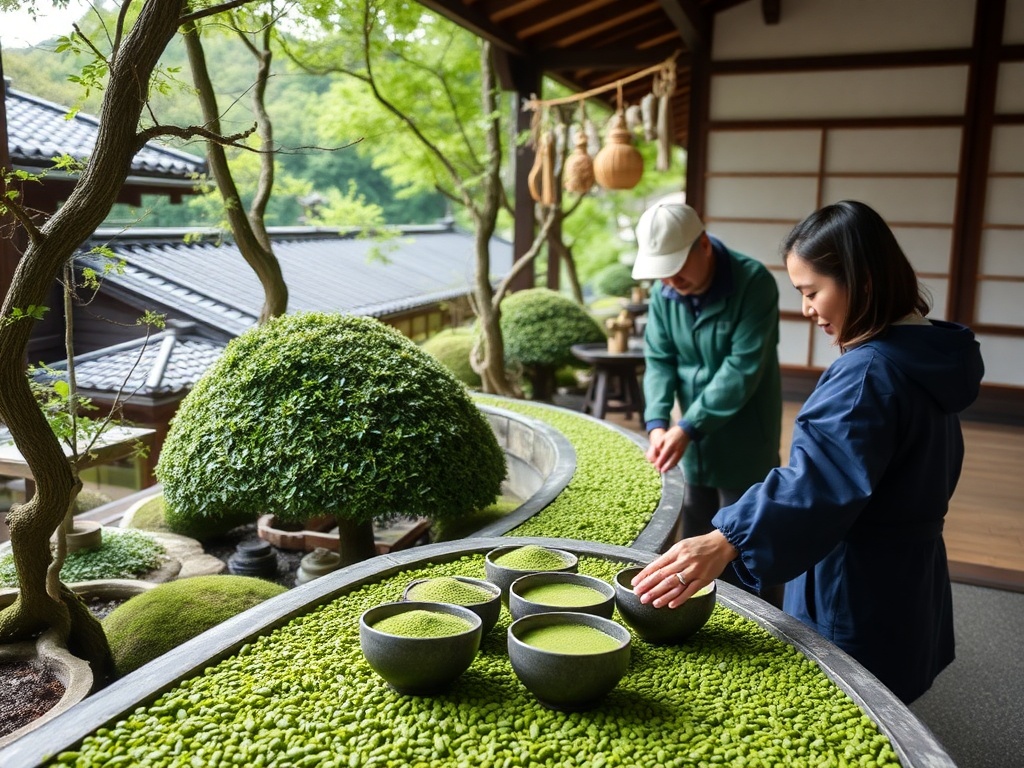
Introduction: A Journey into Japan’s Tea Heartland
Nestled between Mount Fuji and the Pacific Ocean, Shizuoka Prefecture is more than just a scenic wonder—it’s the cradle of Japan’s green tea culture. Walking through its lush landscapes is like stepping into a living museum of centuries-old tea traditions. For those curious about how this ancient beverage continues to shape modern Japanese life, Shizuoka offers a deeply immersive experience that bridges the past and present.
Why Shizuoka? The Epicenter of Green Tea
Shizuoka produces nearly 40% of all green tea in Japan. The region’s unique combination of mineral-rich soil, gentle climate, and misty hills creates the ideal environment for cultivating high-quality tea leaves. But beyond production, Shizuoka has preserved a vibrant cultural heritage that honors the spiritual and social role of tea in Japanese society.
Walking Tours with a Purpose
Unlike typical sightseeing, walking tours in Shizuoka invite you to slow down and connect with the land and its people. These guided experiences often include:
- Visits to historic tea farms with multigenerational growers
- Hands-on tea-picking and rolling workshops
- Tea ceremonies conducted in ancient wooden houses
- Storytelling sessions with local artisans and monks
Each step reveals how tea is not just a drink but a philosophy of harmony and mindfulness.
The Spirituality of Tea: More Than a Beverage
In Shizuoka, tea is intertwined with Zen aesthetics and Shinto reverence for nature. Many tours culminate in teahouses near shrines or in forest clearings where guests are invited to reflect and sip matcha in silence. These moments echo the values of Chanoyu, the Japanese Way of Tea, emphasizing simplicity, respect, and tranquility.
Tea Masters and Their Living Legacies
One of the highlights of walking tours is meeting local tea masters, known as chashi. These seasoned experts share their life stories, often detailing how their families have cultivated tea for generations. Their dedication is palpable, and their knowledge profound. As one master noted, “To know tea is to understand the rhythm of nature.”
According to a feature by National Geographic, these interactions offer tourists rare insight into a world that rarely opens up to outsiders.
Modern Life Infused with Tradition
Far from being confined to temples or farms, green tea culture permeates daily life in Shizuoka. Contemporary cafés offer creative twists on matcha, like cold-brew sencha or hojicha lattes, while local schools teach tea etiquette as part of their curriculum. Even in busy train stations, you’ll find elegantly packaged teas curated by local cooperatives.
What’s remarkable is how these modern expressions remain rooted in tradition. As explained by scholars from The University of Tokyo, the resilience of tea culture lies in its adaptability without losing its essence.
Planning Your Walking Tour
Most walking tours in Shizuoka are available year-round, but the best times to visit are during the spring harvest (late April to early May) and the autumn season (October to November). It’s wise to book in advance, especially for tours that include tea-making workshops or overnight stays in traditional inns.
- Duration: Half-day to multi-day options
- Language: Many guides offer English-speaking tours
- Accessibility: Some routes are suitable for all ages and fitness levels
Getting around the tea country by rail and on foot
Shizuoka is one of the easiest tea regions in Japan to explore without a car. From Tokyo the Tokaido Shinkansen reaches Shizuoka station in about an hour and Kakegawa in roughly ninety minutes; from Kyoto, count about two hours to either. Three areas cover most walking itineraries. Nihondaira, a plateau above Shizuoka city reached by bus from the station, has tea fields on its slopes with Mount Fuji and Suruga Bay behind them, and a ropeway down to Kunozan Toshogu shrine. Makinohara, the largest continuous tea plateau in the country, spreads inland from Kanaya station on the JR Tokaido line. Further up the Oi River, the Oigawa Railway runs a steam-hauled tourist train from Kanaya through the tea villages of Kawane, where hillside fields and suspension footbridges make a full day’s walk.
The most useful single stop is the Fujinokuni Tea Museum, the prefectural tea museum in Shimada, a short taxi ride from Kanaya station. Admission is around 300 yen, the exhibits cover tea worldwide as well as Shizuoka, and the grounds include a reconstructed Edo-period garden and tea house where matcha is served for a few hundred yen more. The Shizuoka Prefectural Tea Research Center in Kikugawa is a working institute rather than an attraction, but it is where many of the cultivars grown here, including the ubiquitous Yabukita, were developed.
Seasons, prices and farm-lane etiquette
The first flush, shincha, is picked from late April, and the traditional eighty-eighth night after the start of spring falls around 2 May. Picking experiences in this window typically cost 1,500 to 3,000 yen per person for an hour in the rows, sometimes with a rolling or pan-firing demonstration. A second, cheaper flush follows in June; October brings clear skies and the best Fuji views, though the fields are quieter. The electric fans on poles above every field are not for irrigation: they push warmer air down on cold spring nights to prevent frost.
- Stay on the lanes. Rows are private property and the soil compacts easily; never step between bushes or pick a leaf.
- Watch for farm vehicles. Ride-on harvesters use the same narrow concrete tracks as walkers, especially in May.
- Carry water and sun protection. Tea plateaus have no shade, and Makinohara can be several degrees hotter than the coast.
Expect 500 to 1,200 yen for a cup of premium sencha at a farm cafe, often served with a second and third infusion, and 1,000 to 2,500 yen for a 100 gram bag to take home. Loose leaf keeps best in the foil bag it came in, sealed and kept cool, and should be finished within two months of opening.
Final Thoughts: A Taste That Lingers
Walking through Shizuoka isn’t just a journey through tea plantations—it’s a walk into the soul of Japan. With every step and every sip, you come closer to understanding a culture that finds depth in simplicity and meaning in the everyday. Whether you’re a tea enthusiast or a curious traveler, the green hills of Shizuoka invite you to pause, reflect, and savor.