
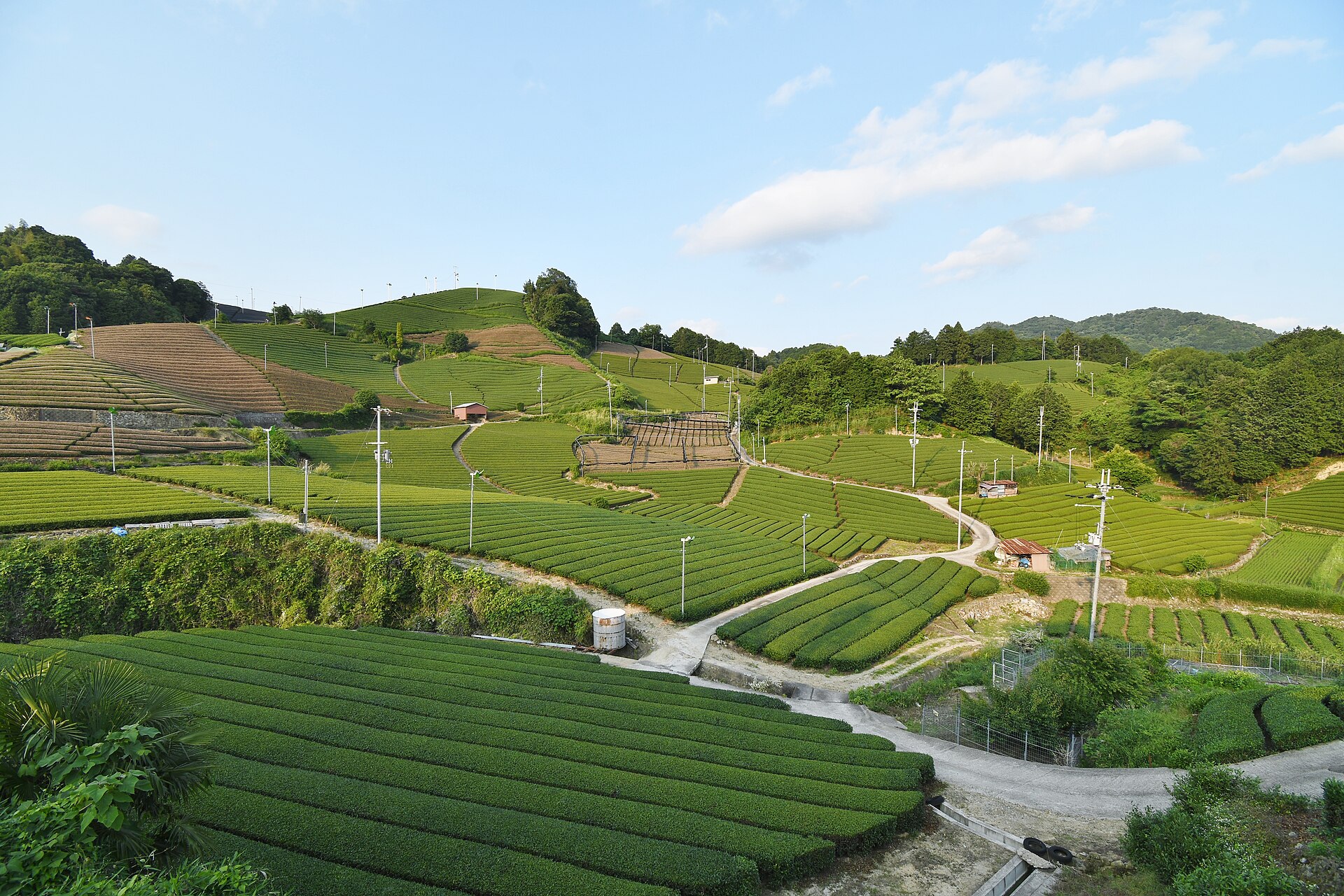
Unveiling the Hidden Heart of Japanese Tea Culture
Far from the neon lights of Tokyo and the bustling streets of Kyoto lies a world untouched by time — remote mountain tea villages where centuries-old traditions continue to thrive. These hamlets, often tucked into misty hillsides, are home to families who have cultivated tea for generations, preserving not just a product, but a way of life.
The Sacred Ritual of Tea in the Mountains
In Japan, tea is more than a beverage — it’s a philosophy, a spiritual practice, and a social ritual. While urban areas offer polished tea ceremonies in tatami-matted rooms, the mountain villages reveal a more intimate, earthy side of this culture. Here, tea is grown, harvested, and prepared with the rhythm of the seasons and the wisdom of the elders.
What Makes Mountain Tea Unique?
- Higher altitude leads to slower growth, concentrating flavor and nutrients.
- Organic farming methods passed down through generations.
- Minimal processing preserves the tea’s natural character.
Villagers speak of “listening to the leaves” — a poetic way of describing the intuitive knowledge passed from grandparent to grandchild. This harmony with nature is central to their way of life.
Voices from the Villages
In a secluded hamlet in the mountains of Shizuoka, we met Oba-san Yuki, an 83-year-old tea master who still hand-rolls her leaves using techniques unchanged since the Edo period. “The tea tells me when it’s ready,” she said with a smile, her hands stained green from years of work. Her story is echoed in countless villages where tea is not just grown — it’s lived.
Many villagers are part of cooperatives dedicated to preserving traditional tea-making methods. These groups often invite guests to participate in workshops, offering a rare window into an ancient world. According to Nippon.com, such initiatives are vital in revitalizing rural communities threatened by depopulation.
Modern Echoes of Ancient Wisdom
Interestingly, the practices of these remote tea communities are finding new relevance in modern Japan. Urban wellness movements are embracing the mindfulness and intentionality embedded in traditional tea rituals. The concept of ichigo ichie — “one time, one meeting” — reminds participants to treasure each moment, a philosophy deeply rooted in tea culture.
Some mountain teas, like the rare goishicha of Kōchi Prefecture, are even gaining global attention for their health benefits. According to a study by the National Institutes of Health, fermented Japanese teas may offer antioxidant and digestive properties, aligning with the rising global demand for functional beverages.
Planning Your Own Tea Pilgrimage
While many of these villages remain off the beaten path, they are increasingly accessible to travelers seeking authentic cultural experiences. Guided tours, homestays, and seasonal festivals provide immersive ways to connect with local life. Here’s what to keep in mind:
- Travel respectfully: These are working communities, not tourist attractions.
- Learn basic Japanese phrases to show appreciation.
- Visit in spring or autumn for the most scenic landscapes and tea activities.
Whether participating in a hand-harvesting workshop or sharing tea with a local family, visitors often describe these journeys as deeply transformative.
Conclusion: More Than a Cup of Tea
Exploring remote mountain tea villages in Japan is not just about tasting rare brews — it’s about connecting with a living heritage that continues to shape the Japanese identity. These journeys offer a rare chance to slow down, listen, and rediscover the sacred in the everyday. In a world that moves ever faster, the quiet wisdom of the tea mountains offers a timeless invitation to be fully present, one cup at a time.