
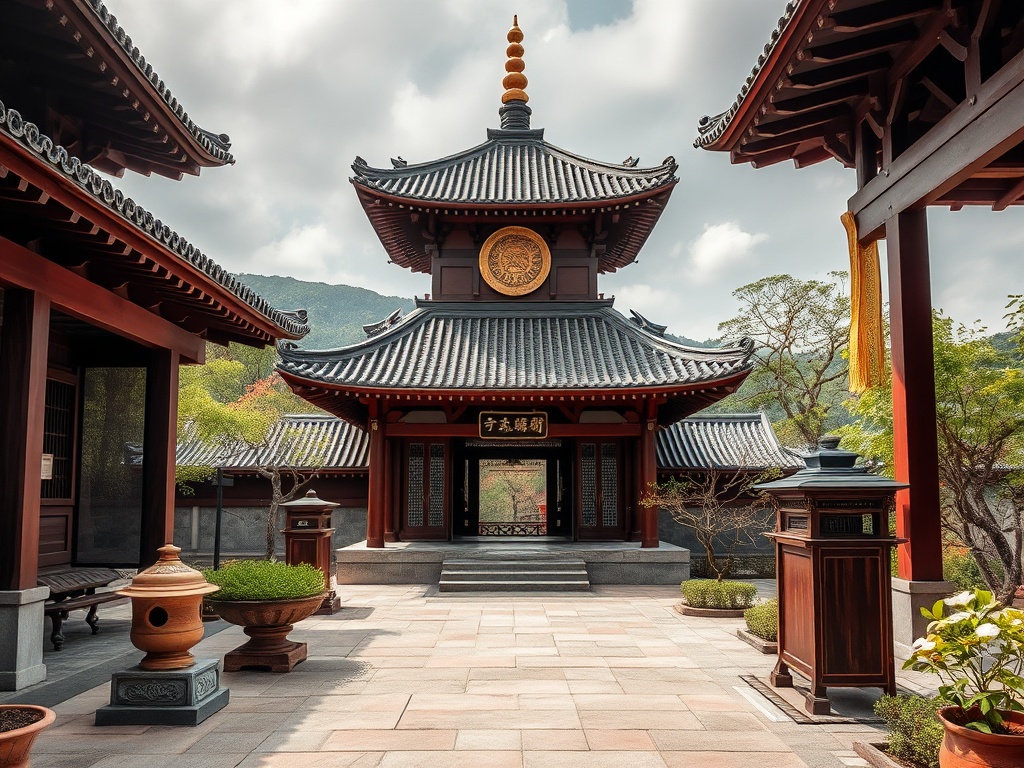
The Timeless Bond Between Tea and Zen
In Japan, the ritual of tea is far more than a refreshment — it is a gateway to spiritual depth, mindfulness, and cultural legacy. Nowhere is this more evident than in the sacred temples where Zen philosophy and Japanese tea culture have intertwined for centuries. These serene spaces invite visitors to slow down, breathe deeply, and connect with the essence of simplicity and harmony.
The Origins: How Zen Shaped the Japanese Tea Ceremony
The roots of the Japanese tea ceremony, or chanoyu, were deeply influenced by Zen Buddhist monks who brought tea from China during the 9th century. The practice evolved through the teachings of legendary figures like Murata Jukō and Sen no Rikyū, who infused it with Zen ideals such as impermanence, humility, and inner peace.
These principles are reflected in the four pillars of the tea ceremony:
- Wa (Harmony)
- Kei (Respect)
- Sei (Purity)
- Jaku (Tranquility)
Temples across Japan became natural sanctuaries for this evolving ritual, offering peaceful settings where monks and laypeople could engage in spiritual refinement through tea.
Temples Where Tea and Spirit Converge
1. Daitoku-ji – Kyoto’s Zen and Tea Epicenter
Daitoku-ji, a vast Zen temple complex in northern Kyoto, is perhaps the most iconic site where tea and spirituality merge. It served as a center for tea culture during the Muromachi period and was closely associated with Sen no Rikyū. Many sub-temples still maintain traditional tea rooms, reflecting the profound connection between Zen meditation and the art of tea.
2. Engaku-ji – Tranquility in Kamakura
Nestled in the forested hills of Kamakura, Engaku-ji offers a meditative escape from urban life. This Rinzai Zen temple, established in the 13th century, was historically a training ground for monks who practiced tea as a spiritual discipline. Visitors today can experience this legacy through seasonal tea gatherings held in its scenic gardens.
3. Myōshin-ji – A Living Legacy of Zen Practice
Located in western Kyoto, Myōshin-ji is one of the largest Zen temple complexes in Japan. It houses dozens of sub-temples, many of which still host tea gatherings and meditative retreats. The temple’s quiet pathways and moss-covered stones echo the aesthetic values found in both Zen and the tea ceremony.
Modern Echoes of an Ancient Practice
While the essence of the tea ceremony remains rooted in history, its relevance continues in modern Japan. Many urban temples and cultural centers offer workshops to reconnect people with their inner stillness. Tea masters emphasize how this practice can be a form of mindfulness — a way to pause amidst the chaos of daily life.
According to a recent feature by Nippon.com, younger generations are rediscovering tea culture not only as a tradition but as a tool for mental wellness in a hyperconnected world.
The Spiritual Architecture of Tea Spaces
Within temples, tea rooms are often simple, rustic spaces constructed with natural materials like bamboo, clay, and paper. This intentional minimalism reflects the Zen concept of wabi-sabi — the beauty of imperfection and impermanence. The atmosphere encourages guests to embrace stillness and presence.
From the placement of tatami mats to the hanging scroll and flower arrangement, every element speaks to the sacred relationship between humans and nature. The tea room becomes a microcosm of Zen thought, where every movement is deliberate and meaningful.
Voices from the Inside: Insights from a Tea Master
We sat down with Ms. Kaoru Tanaka, a Kyoto-based tea practitioner and cultural educator, who has been teaching the way of tea for over 30 years. “Tea is not about performance—it’s about presence,” she explains. “When I prepare tea for someone, I am offering them a moment of peace.”
She also highlighted how many temples are opening their gates to international visitors, allowing them to experience tea in its purest context: “Sharing tea in a temple garden, surrounded by the sounds of nature, is one of the most honest expressions of Japanese hospitality.”
Practical notes for visiting the three temples
Daitoku-ji lies in northern Kyoto and is reached by city bus to the Daitokuji-mae stop, about 30 minutes from Kyoto station. The main complex is free to walk through, but only a handful of sub-temples are open to the public year round; Daisen-in, Zuiho-in and Ryogen-in each charge around 400 to 600 yen and Daisen-in serves matcha in a room overlooking its dry garden. Others open only for special viewings in spring and autumn, announced a few weeks ahead, so check before travelling. Engaku-ji is one minute from Kita-Kamakura station on the JR Yokosuka line, about an hour from Tokyo; entry is 500 yen and the small Butsunichian sub-temple offers matcha in its garden. Myoshin-ji is beside Hanazono station on the JR Sagano line; the sub-temple Taizo-in has a strolling garden with a tea corner and admission of roughly 600 yen.
Some of these temples hold early morning zazen sessions open to visitors on set days, usually free or for a small donation. Sit quietly, follow the instructions of the monk in charge, and expect the session to last around 40 minutes.
Two further sites linked to the origins of tea
Kennin-ji in Gion, founded in 1202 by the monk Eisai who brought tea seeds back from China and wrote the first Japanese book on tea, is the oldest Zen temple in Kyoto; entry is around 600 yen. In the hills north-west of the city, Kozan-ji in Takao keeps a small plot said to be the oldest tea garden in Japan, planted with seeds Eisai gave to the monk Myoe. It is about 50 minutes from Kyoto station by JR bus to the Toganoo stop, and the wooded approach along the Kiyotaki river is one of the finest short walks near the city, best in early November for the maples.
Both schools of tea descended from Sen no Rikyu, Urasenke and Omotesenke, hold memorial gatherings at Daitoku-ji, where the grave of Rikyu lies in the Juko-in sub-temple, normally closed to the public. Dress modestly, remove hats in the halls, and keep voices low in the gardens.
A Tradition Carried Forward
As technology accelerates and life becomes increasingly fragmented, ancient practices like the Japanese tea ceremony offer a path back to centeredness. Temples remain the heart of this journey — spaces where the spirit of tea and Zen continues to thrive.
For those interested in deeper insight into the history of tea and its spiritual connections, the Encyclopædia Britannica entry on the tea ceremony provides a comprehensive overview of its evolution and meaning.
In the stillness of temple walls, a cup of tea becomes more than a beverage — it becomes a moment of awakening.