
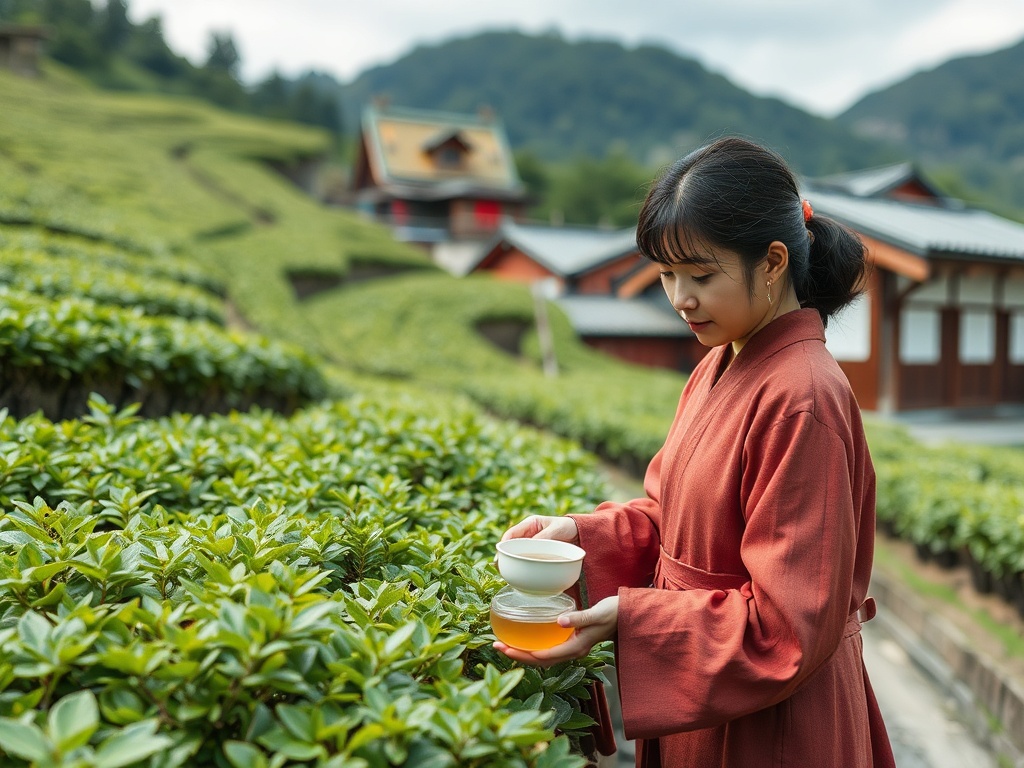
Following the Fragrance of Fresh Tea Leaves
As spring gently unfurls across the Japanese countryside, something magical begins in the misty hills of Shizuoka, Uji, and Wazuka: the tea harvest season. These lush, green landscapes awaken with the rustle of tea leaves and the rhythmic movements of expert hands. Seasonal tea trails offer not only a visual feast but a soulful immersion into centuries-old practices that still shape modern Japanese life.
The Sacred Rhythm of Harvest Time
Unlike industrial harvesting methods, rural Japan embraces a slower, more intentional approach. The first flush, known as shincha, is particularly revered. It’s believed to embody the vitality of spring and is harvested with almost spiritual care. Local farmers often begin before dawn, following techniques passed down through generations.
During this time, tea picking becomes a communal celebration. Villagers gather, share stories, and engage in traditional songs while plucking the tenderest young leaves. The harvest is more than labor—it’s a living ritual that connects people to nature and to each other.
Immersive Encounters Along the Tea Trails
Travelers seeking authenticity often venture into lesser-known tea-growing regions, guided by locals who share not only knowledge but personal memories. A walk through these trails reveals more than just tea plants: you’ll encounter tranquil shrines, old wooden drying houses, and the soft clinking of bamboo baskets.
Experiences Not to Miss:
- Hand-picking workshops led by seasoned farmers
- Participating in a chanoyu (traditional tea ceremony) in a mountain teahouse
- Tasting freshly roasted hojicha as the scent drifts through the hills
These immersive moments offer a rare glimpse into the soul of Japan’s tea culture—one sip at a time.
Tradition Meets Modern Wellness
In recent years, there’s been a renewed interest among younger Japanese generations in reconnecting with these ancestral practices. Many embrace seasonal tea rituals not only for cultural reasons but also for their wellness benefits: mindfulness, detoxification, and seasonal alignment.
According to a study published by the National Institutes of Health, green tea contains powerful antioxidants that support mental clarity and reduce stress—an element deeply intertwined with the meditative aspects of tea ceremonies.
Additionally, the slow pace of the harvest, the tactile connection with the earth, and the communal spirit mirror practices found in modern wellness trends such as forest bathing and slow living.
Voices from the Fields: Wisdom of the Tea Keepers
“Every leaf tells a story,” says Mr. Takeda, a sixth-generation tea farmer in Uji. “When I walk through the fields, I feel the presence of my ancestors. This is not just tea—it’s our memory, our pride.”
Interviews with local farmers and tea artisans reveal a collective belief: while tools and techniques may evolve, the heart of tea culture remains unchanged. It is about connection, respect, and seasonality.
As highlighted by BBC Travel, these rituals continue to shape Japanese identity, even in a digital age. The act of slowing down, observing nature’s rhythms, and sharing a humble cup of tea holds profound meaning.
Planning Your Journey Through Japan’s Tea Heartland
If you’re considering a visit during the harvest season (late April to early June), plan ahead. Many farms open their doors to guests, offering farm stays, guided walks, and tasting experiences. While the big cities celebrate tea in museums and shops, rural Japan offers something far more intimate—a chance to walk the same paths as generations before, guided by the scent of fresh leaves and the wisdom of tradition.
Timing your walk to the picking calendar
The first flush does not arrive everywhere at once. Kagoshima, at the southern tip of Kyushu and now Japan’s second-largest producer, begins picking in mid-April; the flat fields around Chiran and Kirishima are easy to walk between on farm roads. Shizuoka follows in late April, with Hachijuhachiya, the 88th night after the start of spring, falling around May 2 and marking the symbolic peak. Uji and Wazuka in southern Kyoto Prefecture pick from early to mid-May, and a second flush, nibancha, runs from mid-June into July. Come in the last week of April for Shizuoka or the second week of May for Kyoto to see leaves on the bushes and steam rising from the factories.
In Uji you will also see fields draped in black shade cloth from about three weeks before harvest. This covering produces gyokuro and the tencha that is milled into matcha. The tall poles with propellers in almost every field are frost fans; they push warmer air down onto the bushes on cold spring nights.
Getting there and what it costs
Uji is 20 minutes from Kyoto Station on the JR Nara line, and the city’s tea museum, Chazuna, near Keihan Uji station gives a compact introduction with a tea-grinding experience. Wazuka has no train; take the JR Nara line to Kamo, then the Wazuka bus for about 20 minutes into the valley, where the Ishitera tea fields are a protected scenic zone and a loop of two to three hours links them to the Kamanashi and Harayama terraces. The town-run Wazukacha Cafe near the bus stop sells farm-direct tea and takes bookings for picking sessions. Shizuoka’s prefectural tea museum, the Fujinokuni Chanomiyako Museum, sits near Kanaya station on the JR Tokaido line above the Makinohara plateau, the country’s largest tea district.
As a guide to budgeting, a hand-picking and pan-firing workshop runs 2,000 to 5,000 yen per person, a farm stay with two meals 8,000 to 15,000 yen, and a guided tea-field walk 3,000 to 6,000 yen. Book two to four weeks ahead for the May window; many farms take groups of four or fewer and close during the busiest picking days.
One rule matters above all: tea fields are private working land. Stay on the paved farm roads, never step between rows or pluck a leaf, and give way to harvesters and trucks. Kyoto and Shizuoka both run prefectural tea research centres, in Uji and Kikugawa, and their open days are the legitimate way to get among the bushes with someone who can answer questions.
Conclusion: A Trail Worth Following
The seasonal tea trails of rural Japan are not just about agriculture—they are a living expression of harmony, patience, and reverence. Whether you’re a tea connoisseur or a cultural traveler, walking these trails opens a door to a world where nature and tradition still dance in quiet, rhythmic unity.