
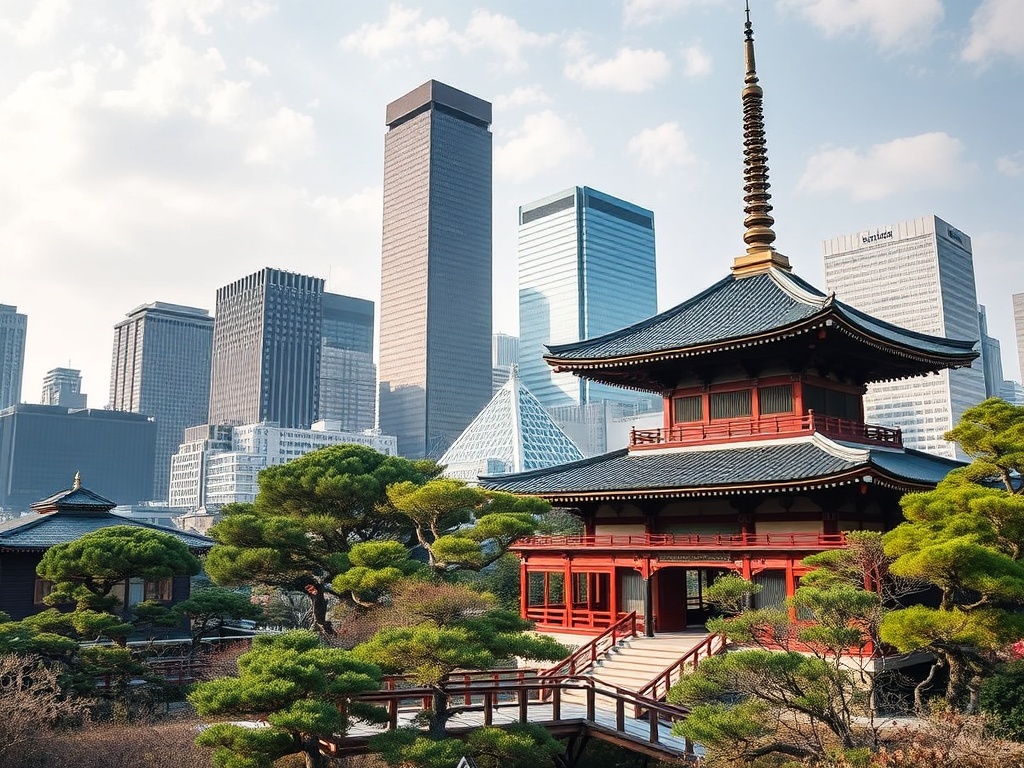
Urban Serenity : The Hidden World of Tokyo’s Tea Gardens
In the heart of Tokyo’s sprawling metropolis, where neon lights dazzle and bullet trains hum beneath glass towers, lies a surprising tranquility — ancient tea gardens that whisper stories of a quieter Japan. Amid the hustle of Shinjuku and the buzz of Shibuya, these green sanctuaries offer a meditative escape rooted in centuries-old tradition.
The Art of Tea in a City That Never Sleeps
Tea in Japan is more than a beverage — it’s a spiritual experience and cultural ritual. Known as Sadō or Chadō (the Way of Tea), this practice is deeply embedded in Zen Buddhism and Japanese aesthetics. In Tokyo, where modernity dominates, finding places where this tradition thrives is like discovering time capsules amidst the future.
Why Tea Gardens Still Matter
In a society increasingly driven by speed and efficiency, tea gardens serve as vital counterpoints. They remind visitors of the importance of stillness, intention, and presence — values that resonate deeply with Japan’s cultural identity. Many locals frequent these gardens not only for tea, but to reconnect with something timeless.
Where Modern Tokyo Meets Timeless Tradition
Several historic tea gardens are tucked away in the city, offering serene pockets of nature surrounded by steel and glass. These havens are often found within larger parks or estate grounds, and each has its own unique charm and story.
- Hamarikyu Gardens – Once a feudal lord’s residence, this garden near Shiodome features a tea house set on a tranquil pond, framed by skyscrapers.
- Rikugien Garden – A masterpiece of Edo-period landscape design, it offers seasonal tea experiences in a thatched-roof teahouse.
- Koishikawa Korakuen – One of Tokyo’s oldest gardens, blending Chinese and Japanese aesthetics with a quiet teahouse hidden among maple trees.
These sites are not just tourist attractions — they are living embodiments of a philosophy. As explored by Nippon.com, traditional tea ceremonies continue to shape modern Japanese mindfulness practices and hospitality values.
Voices From the Tatami: Conversations With Modern Tea Masters
To understand the enduring allure of tea gardens, we spoke with local tea practitioners who bridge the past and present. One such expert, Ms. Haruka Yamamoto, has been hosting tea gatherings in Tokyo for over a decade. “When people enter the tea room,” she says, “they leave the world behind. Even for just an hour, they are part of something eternal.”
Haruka notes that many young Tokyoites, particularly those in high-pressure careers, are rediscovering tea culture as a form of mental wellness. “The ritual of preparing and drinking matcha slows everything down. It’s not just about tea — it’s about reconnecting with yourself.”
How the Ancient Shapes the Now
Despite their historical roots, Tokyo’s tea gardens are not relics. They adapt to contemporary life while preserving essential traditions. Some now offer bilingual ceremonies for international guests, while others collaborate with artists and designers to reinterpret tea aesthetics through modern lenses.
One remarkable example is the integration of tea philosophy into urban architecture. According to a feature by ArchDaily, the minimalist principles of tea rooms have inspired the design of meditation spaces and coworking studios in Tokyo, highlighting the subtle influence of traditional aesthetics on modern lifestyles.
Planning Your Quiet Escape in Tokyo
To truly experience a tea garden in Tokyo, consider visiting during early morning hours or in the late afternoon when the light softens and the city noise fades. Many gardens offer seasonal events — like plum blossom viewings or moonlit tea ceremonies — that add an ephemeral charm to your visit.
Here are a few tips to enhance your visit:
- Dress respectfully if you plan to attend a formal tea ceremony.
- Learn basic tea etiquette — simple gestures like bowing and turning your cup matter.
- Take your time. These spaces are designed for contemplation, not photography marathons.
Practical notes for the three gardens and a wider circuit
All three gardens charge 300 yen at the gate, and each opens around nine and closes at five, with last entry half an hour before. Hamarikyu is a ten-minute walk from Shiodome station on the Oedo Line, or a pleasant arrival by the water bus from Asakusa, which docks inside the garden. Its Nakajima no Ochaya tea house on the pond serves matcha with a sweet for roughly 850 to 1,000 yen and is the easiest place in central Tokyo to sit with a bowl in a formal setting. Rikugien is a few minutes on foot from Komagome station on the Yamanote Line and its Fukiage Chaya has a similar offer; Koishikawa Korakuen is served by Iidabashi and Korakuen stations.
The Tokyo National Museum in Ueno keeps a row of historic tea houses in its back garden that open to the public only in spring and autumn, and those short windows are worth planning around. For a structured first lesson, both major schools have a Tokyo presence: the Urasenke Tokyo Dojo in Ichigaya and the Omotesenke Tokyo branch both list introductory sessions, and hotel tea rooms in Shinjuku and Ginza run English-language demonstrations from about 2,000 to 5,000 yen per person.
Where the tea actually grows within reach of the city
Tokyo’s own tea comes from the western suburbs around Higashimurayama and Mizuho, but the larger growing region is Sayama in Saitama, about an hour from Ikebukuro on the Seibu Ikebukuro Line to Iruma. The fields there roll gently enough for a half-day walk between them, and the local leaf is given a heavier final roast than Uji or Shizuoka tea because the cooler winters call for it. The Iruma city museum has a permanent section on Sayama tea and serves it in a small cafe.
- Best months: late April to May for the new leaf harvest, October for the second flush and clear skies.
- Getting out of the city on foot: Mount Takao, fifty minutes from Shinjuku on the Keio Line, has temple tea at Yakuoin and a small tea house near the cable car top station.
- Etiquette in fields: stay on the farm tracks, never step between rows, and ask before photographing workers.
Conclusion: Reconnecting Through Ritual
Tokyo’s tea gardens offer more than scenic beauty — they are portals to a slower, more intentional way of living. In a city known for its innovation and pace, these sanctuaries invite us to breathe, listen, and taste the wisdom of tradition. Whether you’re a traveler seeking calm or a local in search of roots, the Way of Tea in Tokyo is a journey worth taking — one silent sip at a time.