
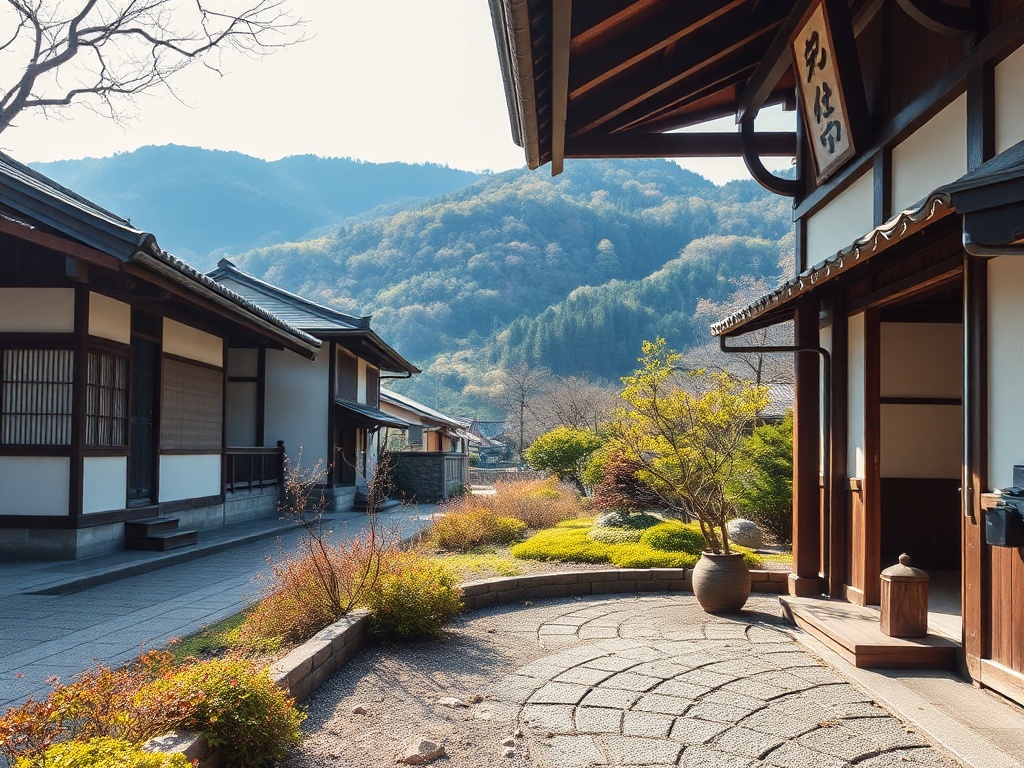
Walking Through Time in Kanazawa
Kanazawa, nestled on the western coast of Japan, is a city where the echoes of history still resonate through its cobbled streets and wooden machiya houses. Famous for its preserved Edo-period districts, the city offers a unique tapestry of traditional tea culture and artisanal craftsmanship. A cultural walk here is not just a stroll—it’s a journey into the heart of Japanese heritage.
The Essence of the Tea Tradition in Kanazawa
In the serene surroundings of Kanazawa’s Higashi Chaya District, one can still hear the gentle clinking of tea utensils as tea masters prepare matcha in the centuries-old style. The tea ceremony, or chanoyu, is more than a ritual—it’s a philosophy that emphasizes harmony, respect, purity, and tranquility.
Many of the teahouses here have been active for generations, offering immersive experiences that reflect the deep spiritual and aesthetic roots of Japanese tea culture. Visitors can observe or participate in traditional tea ceremonies, guided by local masters who have inherited their knowledge through family lines.
Key Elements of the Kanazawa Tea Ceremony:
- Wabi-sabi aesthetics reflected in the simplicity of the setting
- Locally crafted Kutani porcelain and lacquerware used in the ceremony
- Seasonal sweets (wagashi) that complement the bitterness of the tea
Artisan Workshops and Living Heritage
What makes Kanazawa uniquely enriching is the presence of artisans who continue to produce traditional crafts using centuries-old techniques. Many of these crafts are intertwined with the tea culture, such as lacquered tea boxes, hand-woven textiles, and gold leaf decorations.
Strolling through the Nagamachi Samurai District, visitors can enter various ateliers where artisans shape raw materials into exquisite works of art. These workshops are often small and family-run, preserving knowledge that might otherwise be lost.
Traditional Crafts to Discover:
- Yamanaka lacquerware – used in tea ceremonies for its beauty and durability
- Kaga Yuzen silk dyeing – intricate patterns for kimono, reflecting seasonal motifs
- Kanazawa gold leaf – used not only in crafts but also in tea utensils and sweets
Tea Culture in the Modern City
While rooted in tradition, Kanazawa’s tea culture has gracefully evolved. Today, young artisans and tea practitioners are merging the old with the new, creating a vibrant blend of classic and contemporary. Modern tea cafés, inspired by traditional aesthetics, offer innovative takes on matcha-based drinks and wagashi, attracting a younger audience while respecting ancestral values.
This cultural continuity is supported by local initiatives and educational institutions. For example, the Ishikawa Prefecture’s cultural policies actively promote the transmission of intangible heritage like tea ceremonies and crafts, ensuring that the next generation remains connected to these timeless practices.
Meeting the Keepers of Tradition
One of the most enriching aspects of a cultural walk in Kanazawa is the opportunity to connect with the people behind the tradition. Many local tea masters and craftspeople are open to sharing their stories, often passed down from grandparents who lived through the Meiji and Taisho eras.
Interviews with these experts reveal a deep sense of purpose and identity. As one tea artisan expressed, “When I whisk the tea, I feel the presence of my ancestors in the rhythm of the motion.” Such moments create a powerful sense of continuity and community.
Planning Your Cultural Walk
To fully experience the richness of Kanazawa’s tea and craft heritage, consider dedicating a full day to cultural exploration. Start with a morning tea ceremony in a historic teahouse, followed by visits to artisan studios in the afternoon. Wrap up the day with a walk through Kenroku-en Garden, where the seasonal beauty of nature mirrors the seasonal approach of the tea tradition.
Suggested Highlights:
- Participate in a tea ceremony in Higashi Chaya District
- Visit a gold leaf workshop and try applying gold leaf yourself
- Explore the D.T. Suzuki Museum for a philosophical perspective on Zen and tea
Getting there, getting around and what things cost
Kanazawa sits about two and a half hours from Tokyo on the Hokuriku Shinkansen, and a little over two hours from Kyoto or Osaka on the Thunderbird limited express with a change at Tsuruga. From the station, the Kanazawa Loop Bus circles the main districts for 200 yen a ride, or 800 yen for a day pass, though the old quarters are compact enough to walk.
In Higashi Chaya, two former geisha houses open their interiors: Shima, a National Important Cultural Property, and Kaikaro, still an active tea house in the evening. Entry to each is 500 to 800 yen, and both serve matcha with a sweet in their back rooms for a few hundred yen more. Kenroku-en charges 320 yen at the gate, and its Shigure-tei tea house, a reconstructed lord’s pavilion, offers matcha or sencha with a seasonal wagashi for around 700 to 1,000 yen overlooking the pond.
Kanazawa’s tea lineage runs through the Urasenke school: in the seventeenth century a son of the third-generation head Sen Sotan served the Maeda lords of Kaga, and the city has kept a strong tea following ever since. The Ohi Museum near the castle displays the soft, hand-shaped raku-style bowls made by the Ohi family for that same court, a rewarding stop for anyone drawn to teaware rather than tea alone.
Crafts worth seeking out beyond the main streets
The Nomura family house in the Nagamachi samurai quarter has a small upstairs tea room where visitors can take matcha above the garden, and the Ishikawa Prefectural Museum of Traditional Arts and Crafts, beside Kenroku-en, shows all thirty-six of the region’s recognised crafts in one building for a modest fee. The Yasue Gold Leaf Museum explains why the city produces almost all of Japan’s gold leaf, and workshops in the old districts run short leaf-application sessions for roughly 1,000 to 1,500 yen.
Kanazawa is one of the rainiest cities in Japan, so carry a folding umbrella whatever the forecast. Winter brings snow and the rope supports known as yukitsuri in Kenroku-en, late March to mid April brings cherry blossom along the Asano River, and November foliage in the garden is the busiest period, when it is worth arriving at opening time.
Final Thoughts
Kanazawa offers more than picturesque streets and historical sites—it provides an intimate window into the living soul of Japanese tradition. Through its enduring tea culture and masterful crafts, the city invites travelers to slow down, reflect, and connect with the essence of Japanese heritage. Whether you’re sipping matcha in a quiet teahouse or watching an artisan paint a silk kimono, every moment in Kanazawa is a step deeper into timeless beauty.