
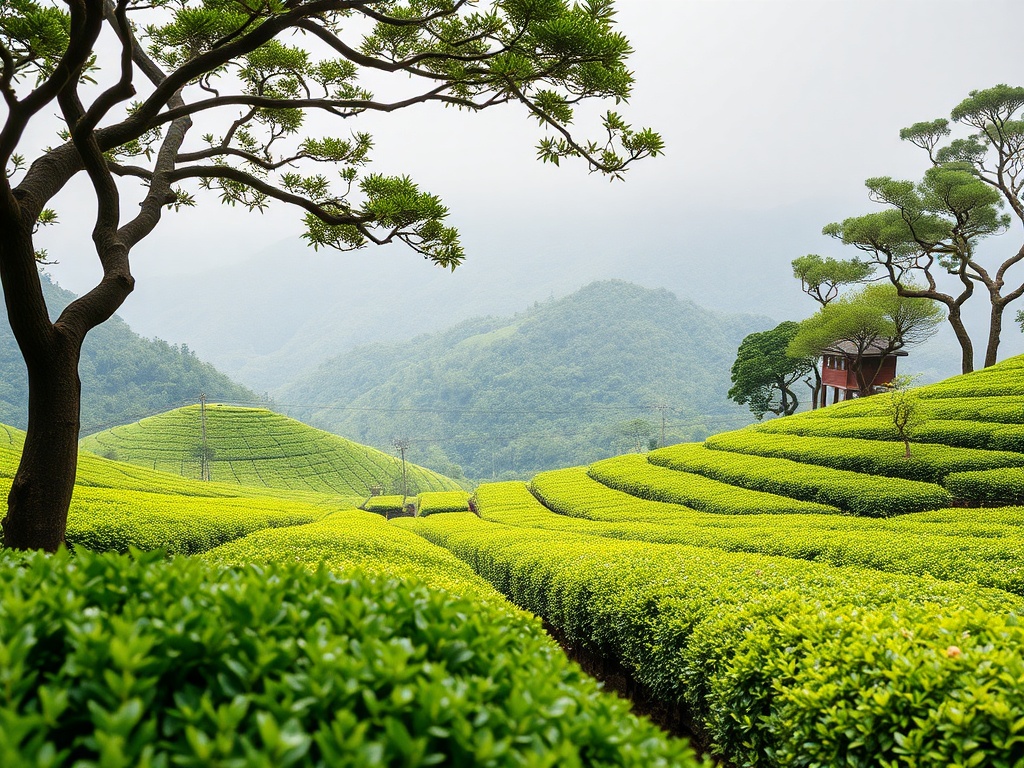
The Harmony of Tea and Heritage
In Japan, tea is far more than a beverage—it’s a ritual, a philosophy, and a profound cultural expression. Nestled within some of the country’s most sacred and protected regions are tea plantations that have thrived for centuries. These areas, often designated as UNESCO World Heritage Cultural Sites, are not only breathtakingly beautiful but also steeped in tradition and spiritual significance.
Why UNESCO Sites Are Ideal for Tea Cultivation
UNESCO cultural landscapes such as Uji in Kyoto Prefecture or Shizuoka’s mountainous tea-growing regions are prized not just for their scenic beauty, but for their historical importance. These places are recognized for preserving agricultural customs that date back hundreds of years. The unique microclimates, fertile volcanic soils, and misty mountain air provide ideal conditions for cultivating high-grade Japanese green tea.
Tea and Tradition Intertwined
In regions like Uji, where tea cultivation has been practiced since the 13th century, the farming methods remain deeply traditional. Farmers often use hand-picking techniques and organic practices passed down through generations. The result is not just superior tea quality, but also a continued respect for the land and its ancestral knowledge.
Living Heritage: Voices from the Fields
During a recent visit to the Asuka region, one of Japan’s oldest cultural areas, we met Hiroshi Tanaka, a 72-year-old tea grower whose family has cultivated tea for eight generations. “This land speaks,” he says. “Each leaf carries the memory of those who came before us.” His words mirror the spiritual connection many growers feel toward their fields—a reverence that’s infused into every harvest.
Interviews with local artisans and growers reveal a common theme: tea is not merely a crop, but a living thread that connects past and present. Harvest festivals, moon-viewing ceremonies, and seasonal rituals all revolve around tea, reinforcing its place at the heart of rural Japanese life.
The Influence on Modern Japanese Life
Even in today’s fast-paced society, the teachings of the tea ceremony—simplicity, harmony, and mindfulness—continue to shape modern Japanese lifestyles. Many urban dwellers travel to these heritage plantations not just for the taste of authentic tea, but to reconnect with nature and tradition.
Health-conscious millennials are also embracing centuries-old brews like gyokuro and matcha as part of daily wellness routines. This resurgence of interest in traditional teas is helping to preserve the ancient cultivation methods that define these UNESCO landscapes.
What Makes These Plantations Unique?
- Terraced fields that follow the natural contours of the hills
- Shade-growing techniques that enhance aroma and flavor
- Seasonal rituals like the first harvest (ichibancha)
- Integration with spiritual sites such as shrines and temples
A Journey Through Time and Taste
Visiting these plantations is like stepping into a living museum. In areas such as Nara or the mountainous parts of Kumamoto, you can walk among meticulously maintained tea fields, participate in traditional ceremonies, and even try your hand at making your own blend under the guidance of a local master.
The Japanese Agency for Cultural Affairs has emphasized that these landscapes are more than scenic spots—they are “cultural ecosystems” where farming, faith, and community co-exist in harmony.
Preserving Tea Culture for the Future
As climate change and urbanization challenge traditional agriculture, initiatives are in place to protect these cultural landscapes. Education programs, government grants, and international recognition are all helping to keep these traditions alive. For example, according to a UNESCO report on Japan’s cultural landscapes, local stewardship and community engagement are key to preserving these landscapes for future generations.
By supporting these heritage plantations, whether through eco-tourism, conscious consumption, or cultural exchange, we contribute to a legacy that continues to nourish the soul of Japan.
Sorting out the heritage labels before you go
Japan uses several overlapping designations. Uji is home to Byodo-in and Ujigami Shrine, both inscribed on the UNESCO World Heritage list as part of the Historic Monuments of Ancient Kyoto, but the tea fields themselves are protected under the domestic Japan Heritage scheme, which covers Uji, Wazuka, Minamiyamashiro and Kizugawa as a single tea landscape. In Shizuoka, the hillside tea around Kakegawa and Kikugawa is recognised by the FAO as a Globally Important Agricultural Heritage System for its chagusaba practice, where cut grass is laid between the rows as mulch. Nara’s temples and the Kumano Kodo pilgrimage routes carry UNESCO status, and tea gardens sit on their margins rather than inside the inscribed zones.
This matters for access: World Heritage temple grounds have fixed hours and admission fees, typically 500 to 1,000 yen, while Japan Heritage tea areas are working farmland with no ticket, no gate and no right of way through the rows.
A practical circuit from Kyoto
Uji is 20 minutes from Kyoto station on the JR Nara Line, or 30 minutes on the Keihan line from Sanjo. Start at Byodo-in, cross the river to Ujigami Shrine, then walk the old tea merchant street where roasting machines run in shop doorways. The municipal tea house Taiho-an, beside the river, serves a bowl of matcha with a seasonal sweet for around 1,000 yen and is the simplest way to experience formal tea without a reservation. The Kyoto prefectural tea research institute is also in Uji.
For Wazuka, take the JR Nara Line to Kamo and a local bus into the valley; the ridge paths above the village give the classic view of terraced rows curving over the hills, and the tourism office arranges picking and hand-rolling sessions from about 2,000 yen. For Shizuoka, ride the Tokaido Shinkansen to Kakegawa and change to the JR Tokaido Line for Kanaya, where the prefectural tea museum sits above the Oi river with a restored tea house and an extensive garden of world tea plants. Late April to May is picking season everywhere; October and November offer cooler walking and the autumn flush.
- Uji: JR Nara Line, 20 minutes from Kyoto; temples 500 to 700 yen; tea house about 1,000 yen.
- Wazuka: JR to Kamo, then bus; farm experiences 2,000 to 4,000 yen.
- Shizuoka Kanaya: JR Tokaido Line; museum entry roughly 300 yen, tea room extra.
In Conclusion
Discovering tea plantations within Japan’s UNESCO cultural environments is not just about savoring a fine cup of green tea. It’s about immersing oneself in centuries of wisdom, tradition, and natural beauty. These landscapes are enduring symbols of harmony—between people and nature, past and present, ritual and daily life.
So next time you sip a delicate sencha or a bold matcha, take a moment to taste the history, the soil, and the spirit of the land from which it came.