
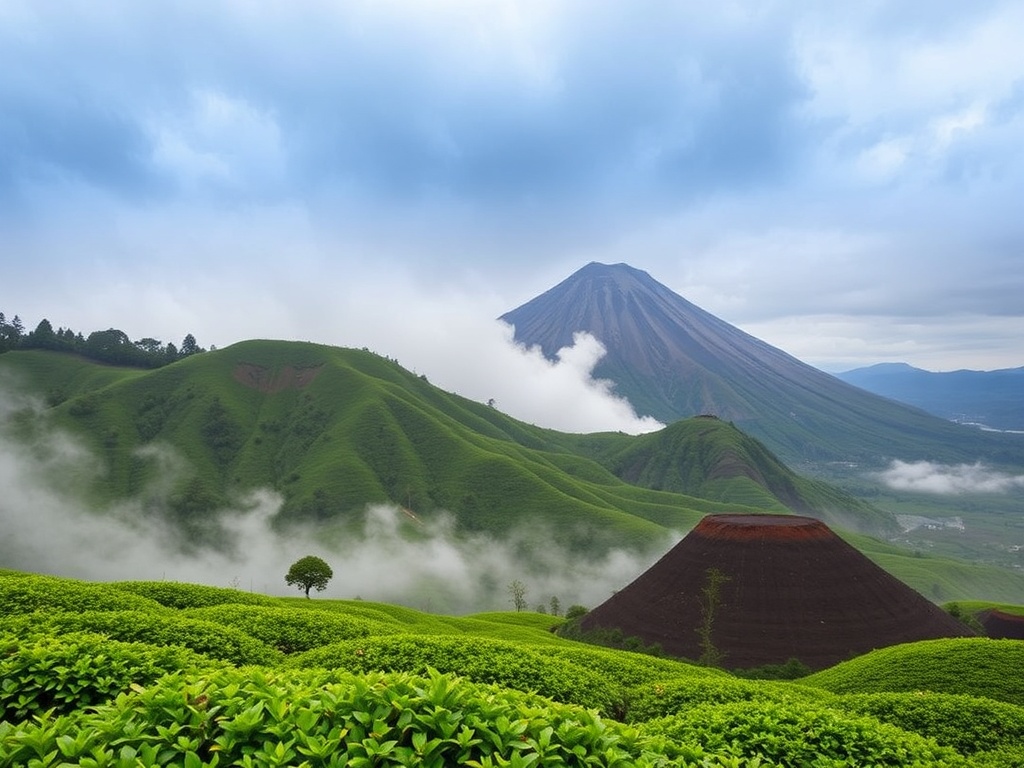
Rooted in Fire: The Volcanic Origins of Kagoshima’s Tea
In the southernmost tip of Japan’s Kyushu island lies Kagoshima Prefecture, a land shaped by fire and nurtured by mist. Home to active volcanoes like Sakurajima, this region doesn’t just boast dramatic landscapes—it also produces some of Japan’s most flavorful and dynamic green teas. The secret? Volcanic soil rich in minerals, combined with the region’s subtropical climate and abundant rainfall.
These unique environmental conditions give rise to tea leaves that are vibrant, aromatic, and subtly complex. Kagoshima has rapidly become Japan’s second-largest tea producer, rivaling even the more well-known Shizuoka region in both volume and quality.
Tradition Meets Innovation
While tea cultivation in Kagoshima dates back to the Edo period, it’s the modern synergy between ancestral practices and technological innovation that makes this region stand out. Farmers here embrace shade-growing techniques like kabusecha to enhance umami, while also utilizing drones and data tracking to monitor crop health.
We spoke with Mr. Satoshi Minami, a third-generation tea grower near Kirishima, who explained:
“Our ancestors taught us to respect the land. But to survive today, we also need to understand climate data, soil chemistry, and even marketing. The tea stays the same, but how we care for it keeps evolving.”
Misty Mountains and Microclimates
One of Kagoshima’s most fascinating features is its diverse microclimates. From the humid lowlands of Chiran to the misty highlands of Shibushi and Kirishima, each sub-region brings its own character to the tea leaves:
- Chiran: Known for deep-steamed fukamushi sencha with a mellow, sweet flavor.
- Kirishima: Mountainous terrain fosters fragrant teas with floral notes.
- Shibushi: Balanced climate produces teas with bold umami and crisp finish.
These variations are not just academic. They offer a symphony of taste for connoisseurs and casual drinkers alike, encouraging exploration and dialogue around terroir, just like in the world of wine.
The Ritual of Tea in Everyday Life
Despite its modern tools, Kagoshima’s tea culture remains deeply communal. In rural households, it’s not uncommon to see neighbors gathering for an impromptu tea session, especially during harvest season. Sharing tea is a gesture of hospitality, a pause in the fast pace of life, and a continuation of centuries-old customs.
In urban centers like Kagoshima City, tea houses have adapted to younger generations by blending traditional aesthetics with minimalist design. Some even offer tea-flavored gelatos and matcha lattes, ensuring that the legacy of tea remains relevant in modern lifestyles.
Sustainability and the Future
As global interest in organic products grows, Kagoshima has positioned itself as a leader in sustainable tea farming. Many producers have adopted organic certification, while also exploring regenerative agriculture to preserve soil health and biodiversity.
Recent studies from institutions such as Nature Sustainability highlight how regions like Kagoshima can serve as models for balancing tradition with ecological responsibility.
With climate change threatening delicate crops worldwide, the resilience of Kagoshima’s farmers—honed by centuries of volcanic eruptions and typhoons—offers hope and inspiration.
A Cup of Kagoshima
To sip tea from Kagoshima is to experience the harmony of nature and culture, the dialogue between past and present. Whether you’re savoring a delicate kabusecha or a robust fukamushi, you’re tasting the soul of a land forged by lava and love.
Next time you brew a cup, take a moment to reflect—not just on the flavor, but on the story it carries from the highlands of southern Japan.