
The Sacred Union of Tea and Tranquility
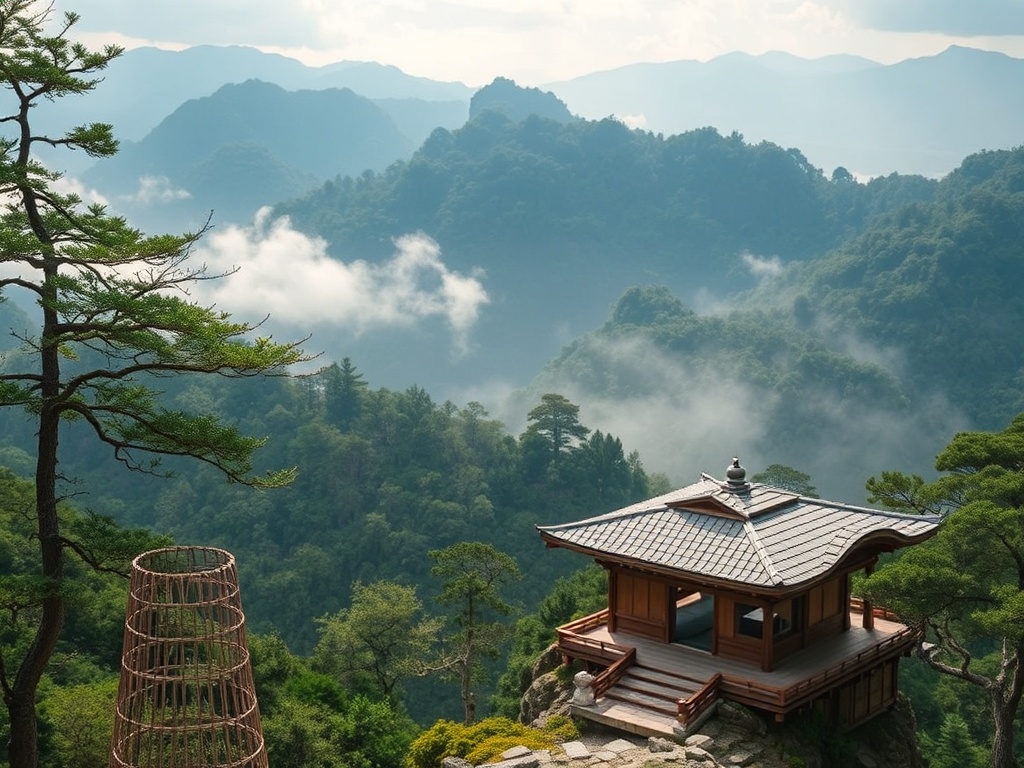
High in the mist-covered mountains of Japan, far from the hum of neon cities, lie sanctuaries where the ancient art of tea is practiced not just as a beverage ritual—but as a spiritual journey. These mountain retreats are gateways into the heart of Japanese culture, where tea ceremonies intertwine with Zen philosophy, and every sip becomes a meditation.
Tracing the Roots: Tea and Spirituality in Japan
The connection between Japanese tea and spiritual practice dates back to the 9th century, when Buddhist monks brought tea seeds from China. Over centuries, tea evolved into chanoyu, the Japanese tea ceremony, deeply influenced by Zen Buddhism. Many of the earliest tea masters were monks who used tea to aid meditation and mindfulness.
Today, these traditions are preserved in remote mountain temples and hermitages where time slows, and silence speaks volumes.
Hidden Havens: Mountain Retreats Across Japan
From the Kyoto hills to the sacred peaks of Wakayama, Japan offers numerous sanctuaries where tea and spirituality merge. These retreats are often modest in appearance, yet rich in atmosphere and meaning.
1. Kōya-san – The Monastic Heart of Tea and Stillness
Located in Wakayama Prefecture, Mount Kōya is home to over 100 Buddhist temples. Many offer shukubō (temple lodging), where visitors can experience shōjin ryōri (traditional monk cuisine), morning prayers, and tea rituals performed by resident monks. The serene forests and ancient cedar groves make it an ideal setting for introspection.
2. Uji – The Cradle of Matcha Culture
While not remote, Uji’s tea fields are nestled amid gentle hills that create a natural sanctuary. Home to some of Japan’s finest matcha, Uji is not only a center of tea cultivation but also of immaculate tea ceremonies held in centuries-old teahouses. The harmony between landscape, tea, and spirit is palpable.
3. Daisen – Where Mountain Gods Meet Tea Steam
In Tottori Prefecture, Mount Daisen stands as a sacred site steeped in Shinto and Buddhist traditions. A few secluded lodges here offer tea experiences alongside forest bathing and mountain hikes. The local belief holds that the act of drinking tea harmonizes the five elements, aligning the body with nature.
Voices from the Mountains: Insights from Tea Masters
We spoke with Satō Hidemasa, a tea master residing in a mountain temple near Nara. “Every tea leaf carries the spirit of the mountain,” he says. “When you whisk matcha in the early dawn, with mist softening the world, you are not making tea—you are becoming part of the mountain.”
Many practitioners echo this sentiment: tea is not just consumed; it is experienced with all senses. The sound of boiling water, the aroma of roasted leaves, the texture of the cup—each element guides the mind inward.
Modern Souls Seeking Ancient Peace
In recent years, these retreats have drawn not only monks and scholars, but also urban dwellers searching for balance. The practice of tea in a spiritual setting offers a rare antidote to the digital frenzy of modern life. Some wellness programs now incorporate tea meditation, forest rituals, and silent fasting to help participants reconnect with themselves.
According to a National Geographic article on mindful travel in Japan, these tea-based retreats have become part of a larger movement toward intentional living and cultural immersion.
Planning Your Own Tea Pilgrimage
If you’re drawn to the idea of experiencing tea as a spiritual art, consider these tips for your journey:
- Choose the season wisely: Spring and autumn offer the most immersive natural settings.
- Learn basic tea etiquette: Knowing a few respectful gestures enhances the experience.
- Stay at a temple lodge: These often provide tea rituals as part of the stay.
- Embrace silence: Much of the ceremony’s power lies in its quiet rhythm.
Reaching the mountain temples and what to expect on arrival
Koyasan is the easiest of these retreats to organise. From Osaka’s Namba station the Nankai Koya Line runs to Gokurakubashi in roughly ninety minutes, then a five-minute cable car climbs to the plateau and buses connect the temple districts. A night in a shukubo with vegetarian dinner and breakfast generally costs 12,000 to 25,000 yen per person, and the Koyasan Shukubo Association handles reservations for most of the fifty or so temples that accept guests. Book weeks ahead for early November foliage and the mid-August lantern festival.
Morning service starts around six, and guests are expected to be seated quietly before the monks enter. Shoes come off at the entrance, bags stay in your room, and phones remain silent. Tea is usually served after the ceremony in the reception hall rather than during it; accept the cup with both hands and finish it before leaving the room.
For a walking approach, the Kumano Kodo Nakahechi route in southern Wakayama links the three Kumano grand shrines over four or five days, with Tanabe as the usual starting town and a bus from Kii-Tanabe station to the trailhead at Takijiri. Small guesthouses along the way serve local tea, and some pilgrim lodges near Hongu offer a simple bowl of matcha with a sweet on request.
Seasons, weather and a few quieter alternatives
These temples sit between 800 and 1,000 metres, so nights are cold well into May and again from October; a warm layer for the pre-dawn service matters more than any other item in your pack. The rainy season runs from mid June to mid July and the paths turn slick, which is when the cedar groves are at their most atmospheric but also their most tiring.
Mount Daisen in Tottori is reached from JR Yonago station by a bus of about fifty minutes to Daisen-ji temple, and the summit trail is a strenuous three-hour round trip best attempted between May and October. Closer to Kyoto, the temples of Ohara and the Mount Hiei complex both serve tea in garden settings and make easy day trips by bus or the Eizan Railway, a gentler introduction if a full retreat feels like too large a first step.
Closing the Circle: When Tea Becomes a Path
In these secluded mountain retreats, Japanese tea is more than a warm drink—it is a mirror reflecting the self. Surrounded by towering cedars, ancient chants, and the soft clink of ceramic bowls, one realizes that the tea path is also a spiritual path. It invites us not just to taste, but to listen—to the leaves, the wind, and the silence within.
Whether you embark on a full retreat or brew matcha at home with intention, the spirit of these mountain sanctuaries lives on in every mindful sip.