
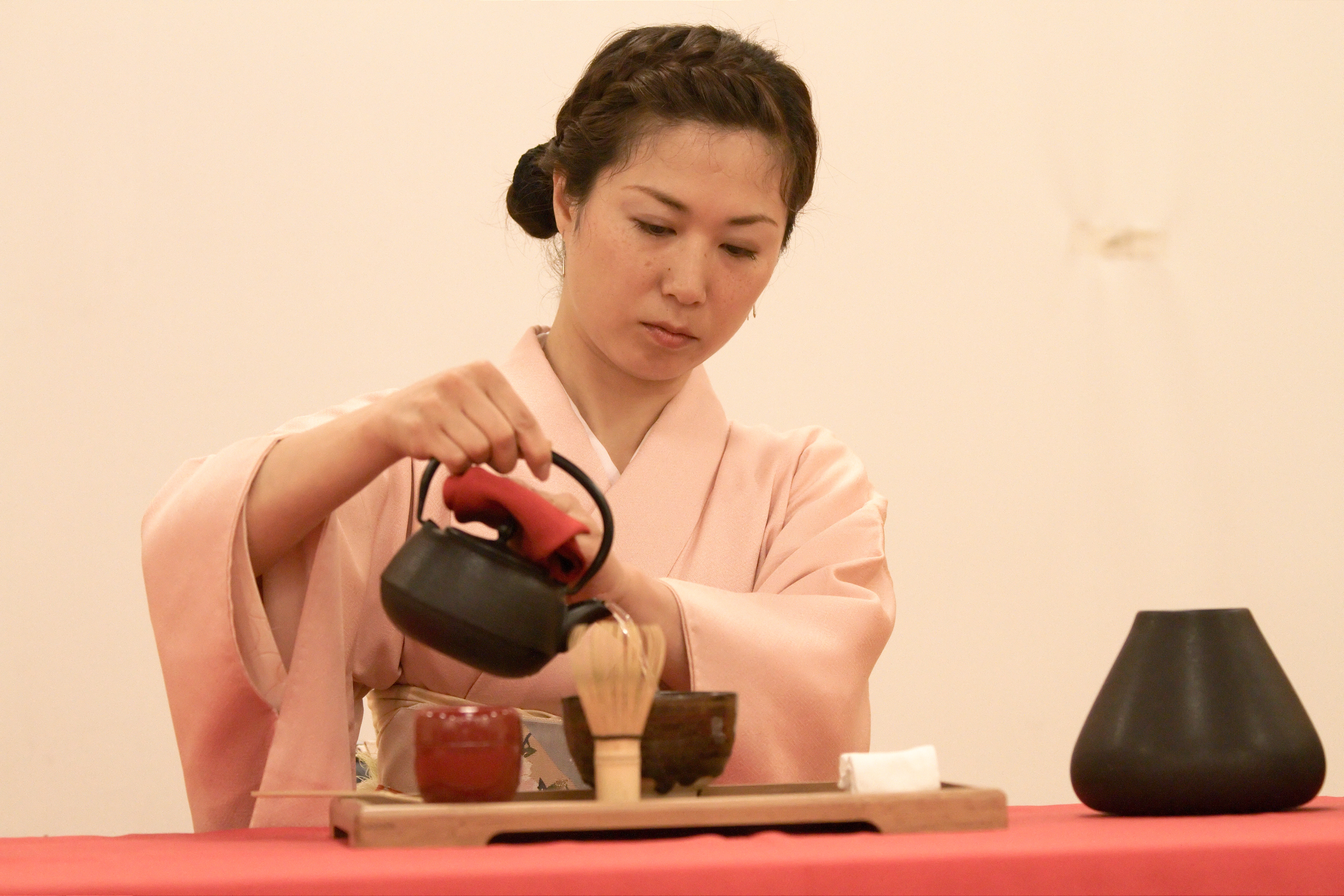
Ask ten people what Japan is known for and you will get ten different lists. Sushi, temples, bullet trains and anime all come up. This guide sorts those answers into a pattern. Tea sits near the middle of it.
- Japan is known for mixing old traditions with fast modern life.
- Its food, manners, crafts and gardens grow from the same habit of attention.
- Tea ceremony is a good place to see that habit in action.
What is Japan most famous for?
Visitors usually name the same things. Cuisine, tradition, pop culture and order come up again and again.
Here is the short list of what people tend to mention:
- Ancient temples and historic districts
- Food, from ramen to sushi
- Manga, anime and video games
- Seasonal events such as cherry blossom viewing
- Politeness and public order
- Trains that run on time
One idea links most of this. Japan combines deep tradition with constant change. One tour operator describes a culture rooted in traditions thousands of years old, yet always shifting with fashion and technology.
That mix is the real answer. The country is not only old or only new. It is both at once.
Why does Japan feel old and new at the same time?
You can see it on a single street in Tokyo. An old temple stands beside the newest technology. Nothing about the scene feels forced.
The country’s history is long. Written records mention it nearly two thousand years ago. Buddhism arrived in the 6th century. Later came rule by military leaders, then centuries of isolation, then rapid modernization.
Through all of it, many practices stayed alive. Crafts, gardens and rituals did not vanish when factories arrived.
This matters for how you read Japan. Tradition here is not a museum piece. It runs beside daily life.
How do food and drink shape the country’s reputation?
Food is one of the strongest answers to the question. Ramen, sushi, udon, yakiniku, okonomiyaki and takoyaki are all well known.
Regions add their own twist. Many areas have a signature dish, so the same dish can taste different from place to place.
Drinks matter too. The range runs from sake and whisky to beer and green tea.
Why tea belongs on the list
Tea is more than a drink in Japan. It is a practice with rules, tools and a way of paying attention. Preparing a bowl asks you to slow down and notice small details.
That is why tea shows up in so many other topics. Food, manners, pottery and gardens all share its habits.
What do Japanese crafts and gardens have to do with tea?
Crafts and tea grew up together. A tea gathering needs bowls, kettles, containers, whisks and a calm room. Each object is made with care.
This is a general pattern, not a rule for every region. Look for this link when you visit a workshop or museum.
Gardens follow the same logic.
The shared idea
- Objects are made to be used, not only displayed.
- Imperfection is accepted and even valued.
- The setting matters as much as the item.
This is the spirit often called wabi-sabi. It values simple, aged and slightly uneven things.
Why do seasons, politeness and order matter so much?
Seasons set the rhythm of the year. Spring brings cherry blossom viewing, and it is the most popular time to visit. Summer brings festivals and fireworks. Autumn brings red and gold leaves. Winter brings snow, hot springs and illuminations.
Everyday behavior is another well known trait. Many visitors are surprised by how polite people are. People follow rules and keep order, and cities stay clean and safe.
There are also unspoken rules. Foreigners may miss some of them. Locals are generally understanding and willing to help.
Punctual public transport fits the same picture. A trip is planned and carried out with care for others.
Tea etiquette is a small version of this. You bow, you wait, you receive a bowl with both hands. Each step shows respect for the people around you.
How does tea tie it all together?
Step back and the list gets shorter. Craft, cuisine, gardens, seasons and manners all rest on one idea. Pay close attention to what is in front of you.
Tea makes that idea visible. A tea gathering has a season, a setting, handmade tools, a drink and a code of manners. It holds almost every famous Japanese quality in a single room.
You do not need a formal ceremony to see this. A quiet cup in a tea house or a visit to a tea garden is enough.
So the best answer to the question is not a list. Japan is known for caring about details, and tea is where that care is easiest to see.
Frequently asked questions
What is Japan best known for?
It is best known for mixing ancient tradition with modern technology. Food, pop culture such as manga and anime, temples, gardens and politeness also come up often.
Is Japan known for tea?
Yes. Green tea is among the drinks the country is known for, and the tea ceremony is a recognised cultural practice. Tea also links to crafts, gardens and manners.
Is food in Japan expensive?
Not necessarily. Many ordinary restaurants charge modest prices for a meal. Only very prestigious places cost much more.
When is the best time to visit Japan?
Spring, during cherry blossom season, and autumn, with its colored leaves, are the most popular. Each season has its own events, so choose by what you want to see.
Related reading
- Mindful Etiquette: How Tea Rituals Teach Respectful Presence
- Balancing Formality and Comfort During Tea Gatherings
Sources
- Japanese Culture and Traditions 2027/2028 (insidejapantours.com, accessed 2026-11-09)
- What Makes Japan Stand Out from Other Countries? (japaninternships.com, accessed 2026-11-09)
- Japan — Wikipédia (en.wikipedia.org, accessed 2026-11-09)
Photo: Japanese tea ceremony 20100502 Japan Matsuri 02, by Georges Seguin (Okki), CC BY-SA 3.0 (Wikimedia, via Openverse)